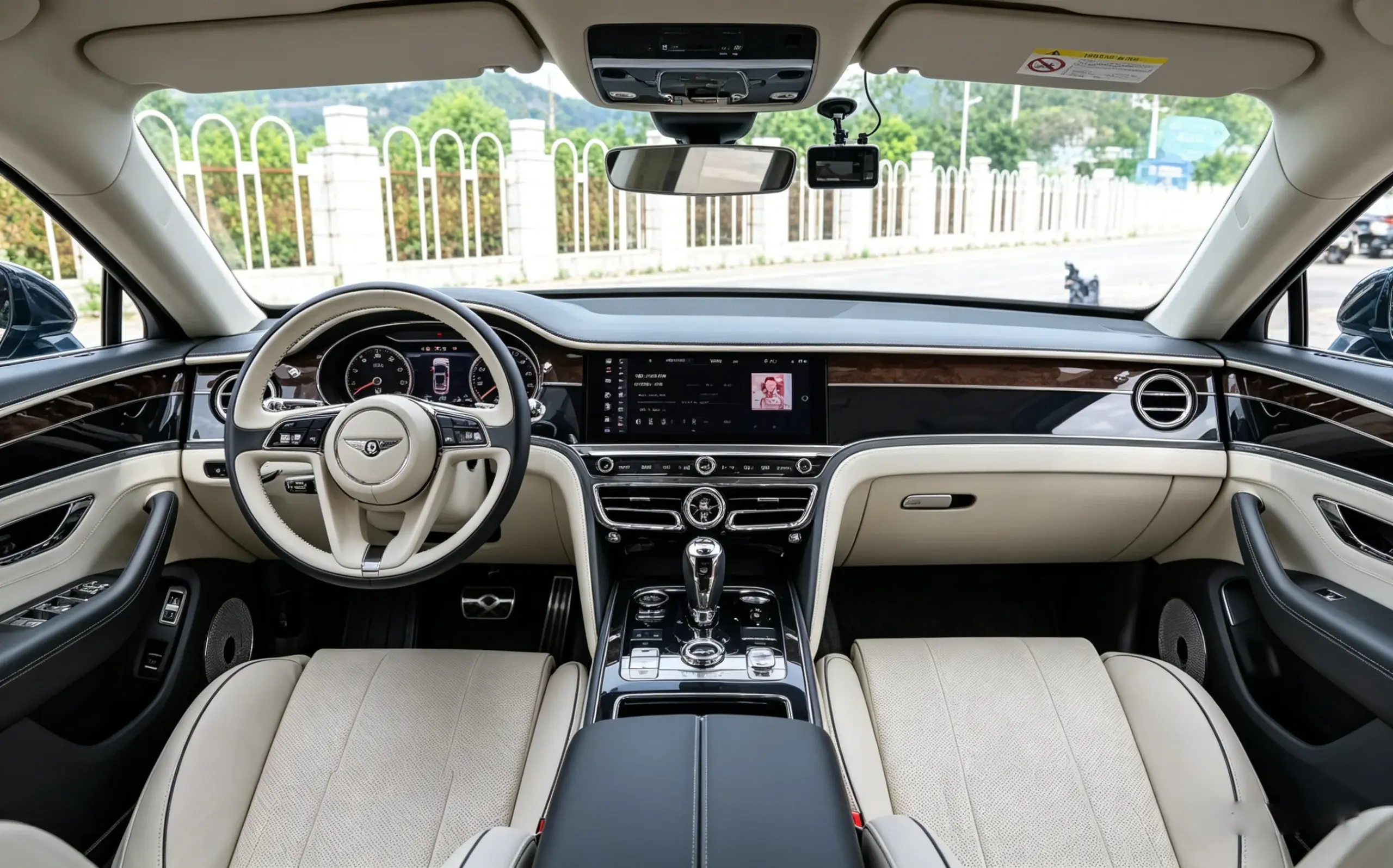
Advanced Adhesive Solutions for Automotive Interiors
VOMELT hot melt adhesive films and webs are designed for automotive interior lamination applications where heat resistance, processing temperature, odor, fogging behavior, aging resistance, and long-term bonding performance may be important material-selection factors.
Comprehensive Application Guide
Adhesive film and web selection solutions for various automotive interior components, supporting reliable bonding evaluation across diverse vehicle assemblies.
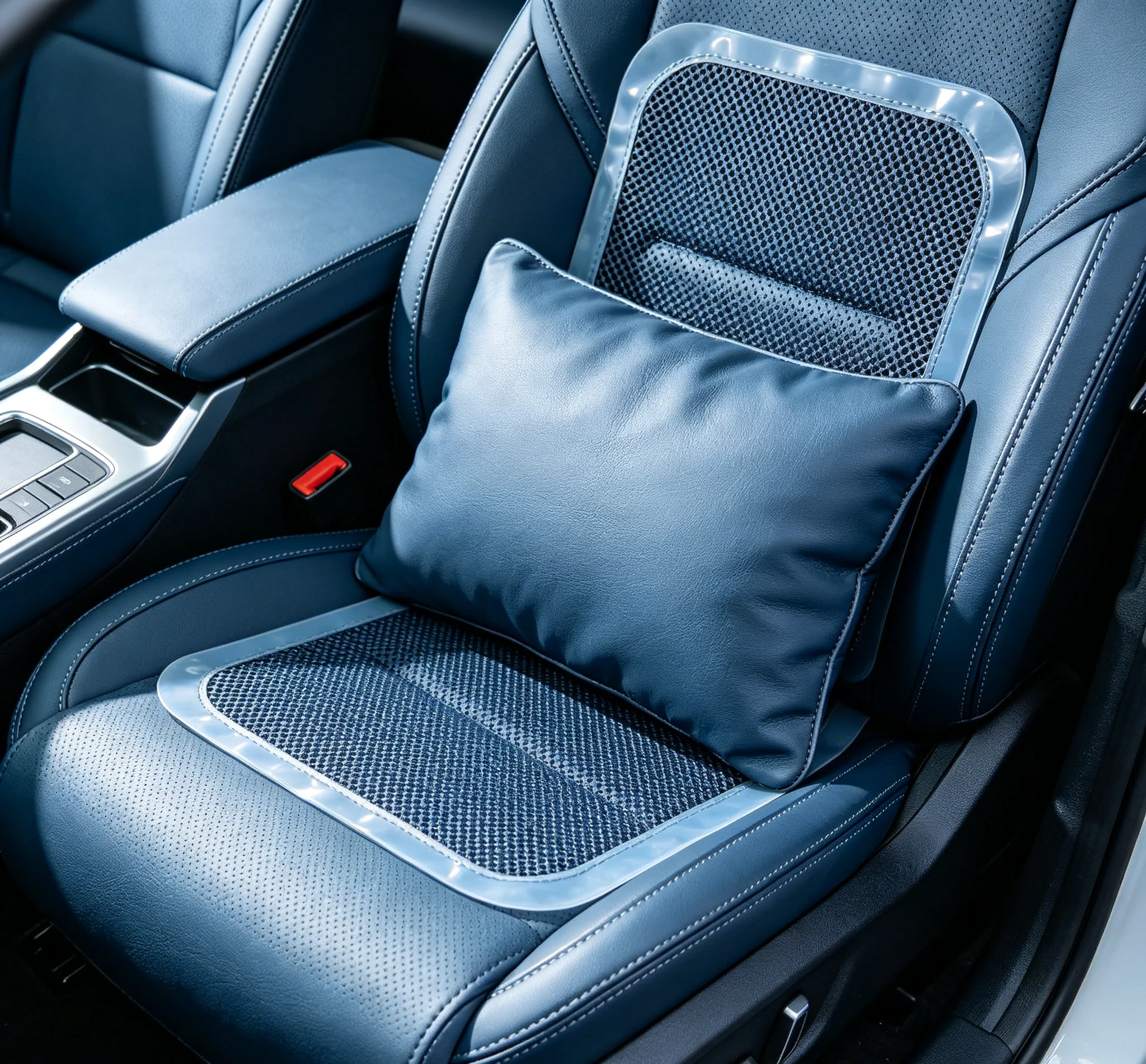
Seating & Upholstery
| Application | Product Category | Thermal Evaluation |
|---|---|---|
| Seat cover lamination | PES / TPU Adhesive Film | Dependent on component specification |
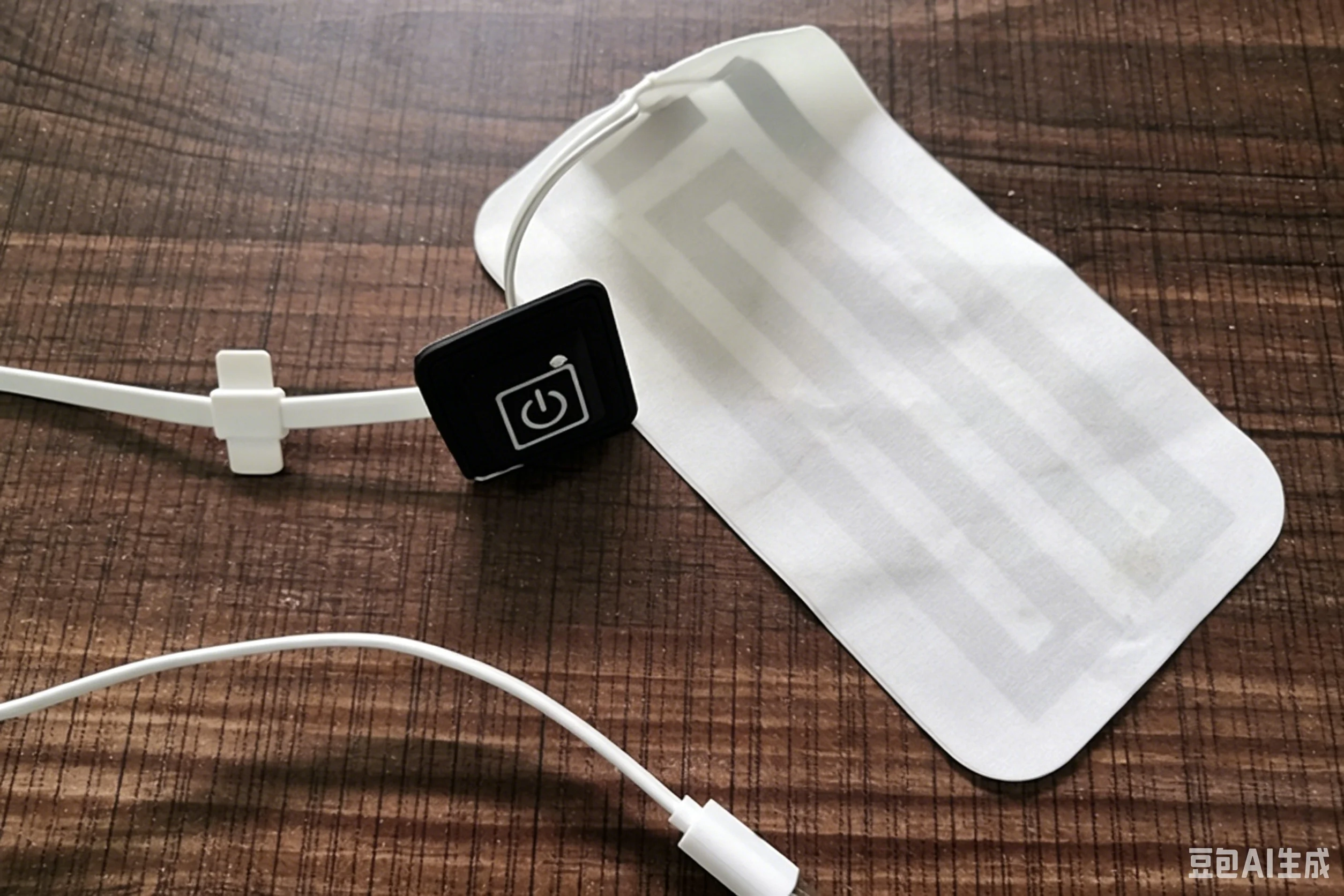
| Heated pad integration | TPU Adhesive Film | Dependent on component specification |
| Perforated leather backing | TPU Adhesive Web | Dependent on component specification |
| Seam reinforcement | PES Adhesive Film | Dependent on component specification |
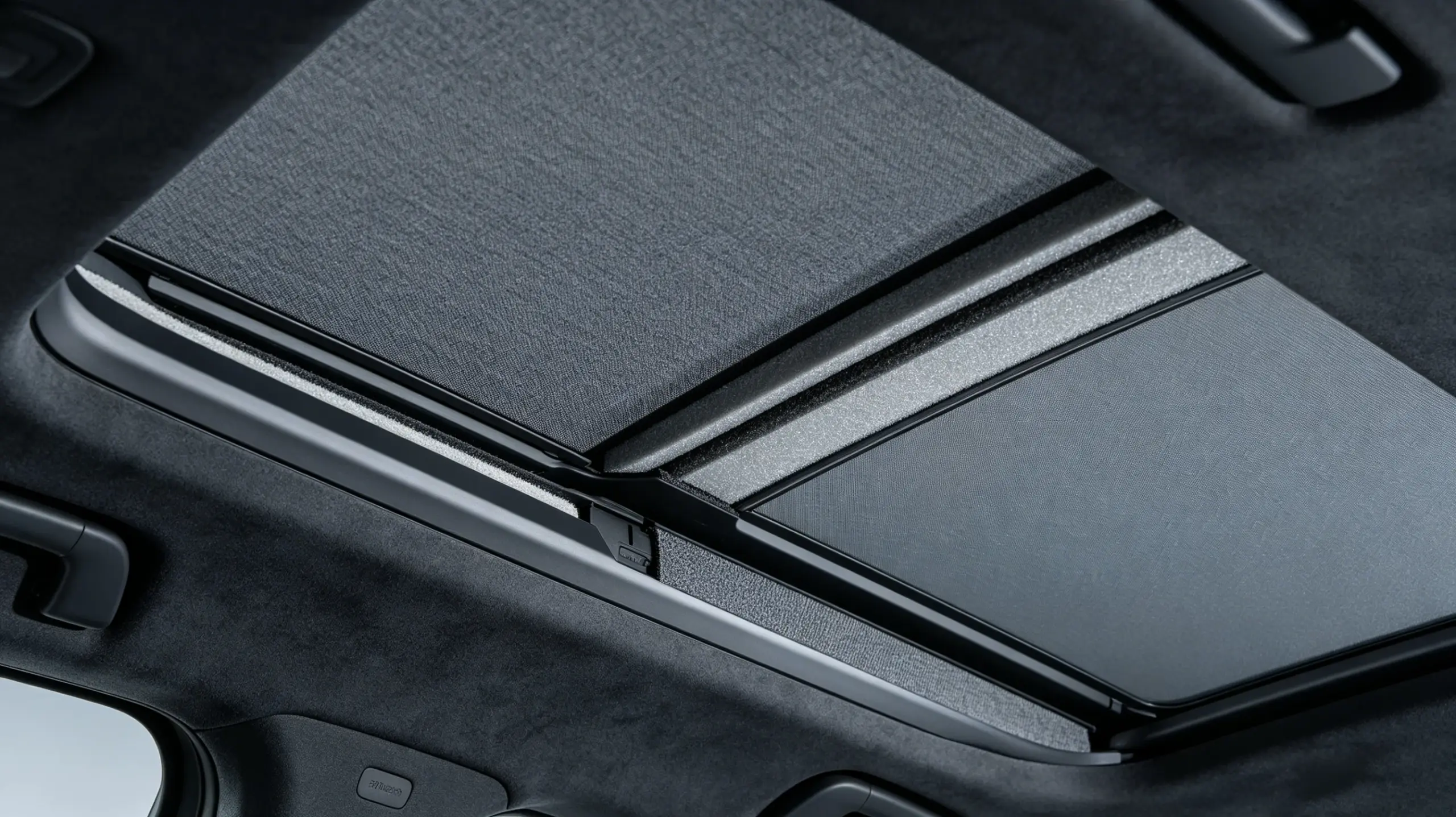
Headliners & Pillar Trim
| Application | Product Category | Thermal Evaluation |
|---|---|---|
| Fabric to PU foam | PES Adhesive Web / Film | Dependent on component specification |
| Sunroof sunshade panel | TPU Adhesive Film | Dependent on component specification |
| Pillar trim cover | PES Adhesive Film | Dependent on component specification |
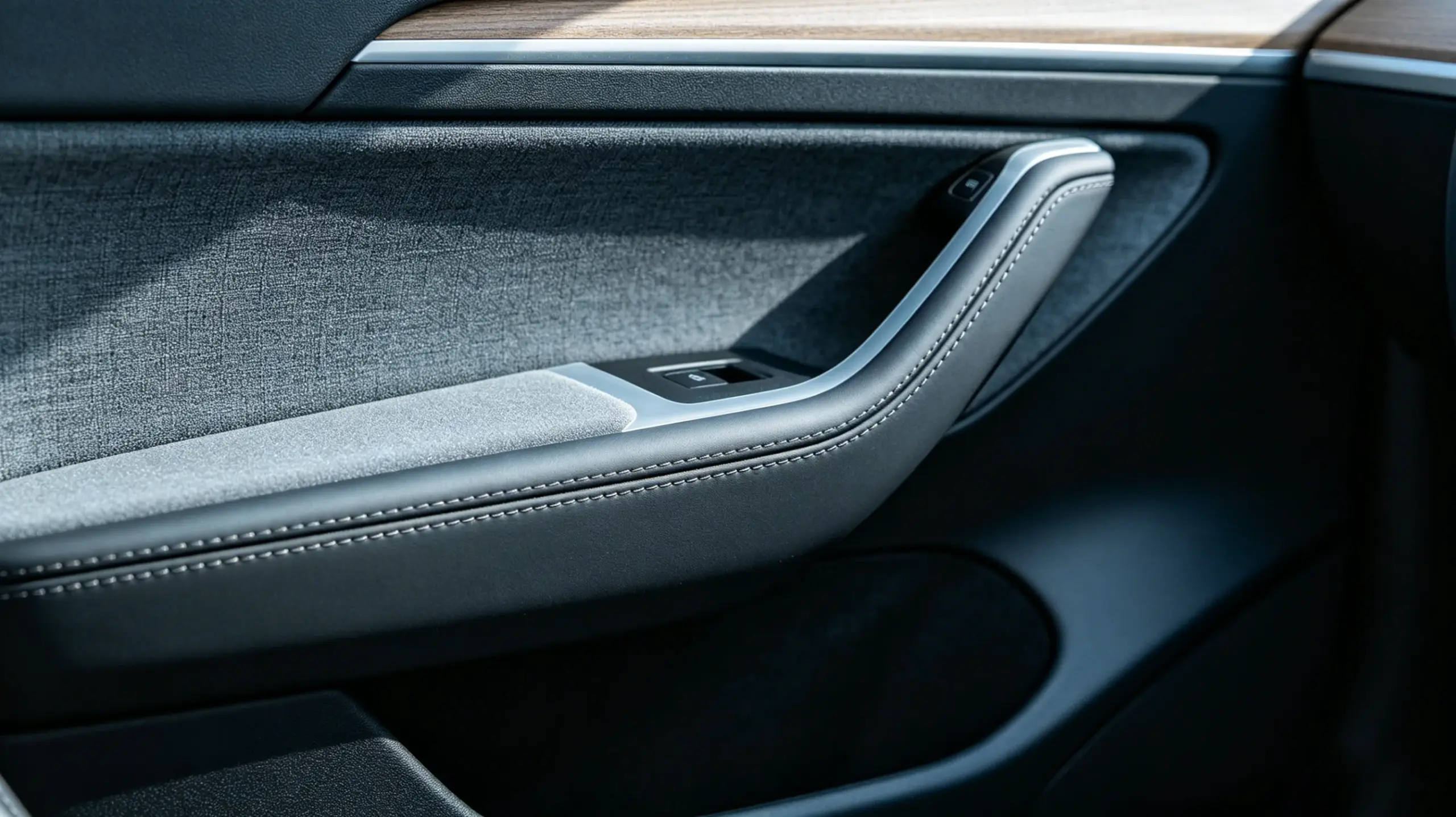
Door Panels & Armrests
| Application | Product Category | Thermal Evaluation |
|---|---|---|
| Fabric/wood grain wrap | PES / TPU Adhesive Film | Dependent on component specification |
| Armrest leather to foam | TPU Adhesive Film | Dependent on component specification |
| Map pocket bonding | PO / EAA Adhesive Film | Dependent on component specification |
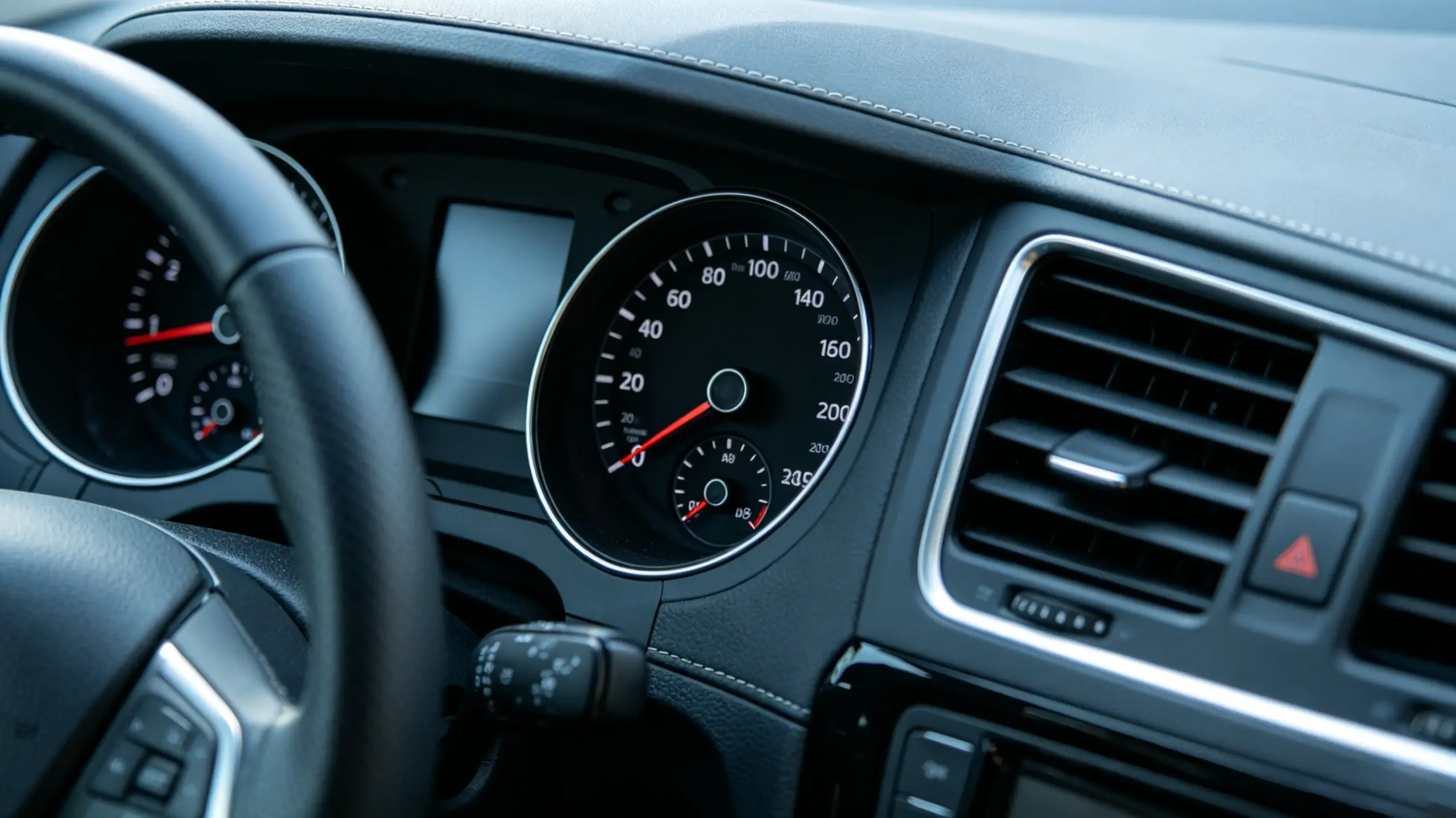
Dashboard & Instrument Panel
| Application | Product Category | Thermal Evaluation |
|---|---|---|
| IP skin (PVC/TPO) to foam | PES Adhesive Film | Dependent on component specification |
| Decorative trim wrap | TPU Adhesive Film | Dependent on component specification |
| HVAC duct sealing | PO / EAA Adhesive Film | Dependent on component specification |
How Should You Evaluate Hot Melt Adhesives for Low-Fogging Automotive Interiors?
For low-fogging automotive interior applications, hot melt adhesives should be evaluated as part of the complete laminated construction rather than by polymer type alone. VDA 278, DIN 75201, or other OEM-specific methods may be required depending on the component. Adhesive chemistry, substrates, coatings, additives, processing temperature, and the finished headliner or door-panel construction can all influence the test result.
Evaluation Approach
We recommend evaluating the complete laminated construction rather than selecting an adhesive from polymer type alone. The adhesive, substrate, coating, additives, lamination temperature and final component construction can all affect the test result.
If your project has a specific VOC or fogging requirement, send us the target test method, substrates, processing conditions and required limits. We can use these requirements to help identify adhesive film or web options for further evaluation with your actual substrates and process.
What Should Be Considered When Selecting Automotive Interior Adhesives?
Adhesive selection should be based on the actual substrate combination, processing window, environmental requirements and finished-component performance.
Heat & Aging Requirements
Confirm the expected operating temperature and aging conditions before selecting an adhesive grade.
Low-Temperature Flexibility
Flexible interior components may require adhesive systems that remain suitable under low-temperature service conditions.
VOC, Odor & Fogging
OEM or Tier 1 projects may specify VOC, odor or fogging requirements. The final laminated construction should be evaluated against the required test method.
Substrate Compatibility
Adhesion can vary significantly between fabrics, foams, leather, PVC, TPO, PP, PE and other automotive interior substrates.
Recommendations for Optimizing Processing Parameters of Automotive Interior Adhesive Films
General guidelines for hot-press laminating, troubleshooting, and surface pretreatments to support internal evaluation and process setup.
Key Parameter Windows for Hot-Press Laminating
| Film Type | Processing Temp Reference | Pressure Reference | Dwell Time Reference | Cooling Evaluation |
|---|---|---|---|---|
| PES Film / Web | Grade-dependent | Equipment-dependent | Confirm by trial | Air cooling / natural cooling |
| TPU Adhesive Film | Grade-dependent | Equipment-dependent | Confirm by trial | Controlled air cooling |
| TPE | Grade-dependent | Equipment-dependent | Confirm by trial | Natural cooling |
| PO / EAA | Grade-dependent | Equipment-dependent | Confirm by trial | Air cooling |
Common Defects and Solutions (For Automotive Interiors)
Bubbling after lamination
Possible Causes:
Poor degassing, substrate moisture, or excessive lamination temperature.
Solutions:
Check substrate moisture, ventilation or degassing conditions, and the lamination temperature profile. Confirm the cause through trials with the actual laminate construction.
Edge Lifting / Delamination
Possible Causes:
Insufficient edge pressure, mismatched adhesive width, or uneven cooling contraction.
Solutions:
Check pressure distribution at the edges, adhesive coverage, bond-line temperature, and cooling conditions before changing the adhesive grade.
Adhesive strike-through
Possible Causes:
Adhesive film gauge too heavy, open textile weave, or excessive pressure/temperature.
Solutions:
Switch to a lower gauge, consider web adhesive format, or lower processing parameters.
Insufficient peel strength
Possible Causes:
Insufficient heat activation, contaminated substrate surface, or mismatched adhesive grade.
Solutions:
Verify bond line temperature, perform surface degreasing/pretreatment, or test alternative polymers.
Excessive odor / VOC
Possible Causes:
Possible contributors can include the adhesive formulation, substrate or coating, residual volatiles, and excessive processing temperature.
Solutions:
Review the complete laminate construction, confirm the recommended processing window, and evaluate the finished component using the required odor, VOC, or fogging test method.
Surface Pretreatment Considerations by Substrate Type
| Substrate Type | Surface Characteristic | Recommended Pretreatment / Approach |
|---|---|---|
| PU Foam | Porous, dust-prone | Clean and remove dust as needed |
| Fabric / Nonwoven | Fiber network | Evaluate cleanliness, coating, and the actual bonding surface |
| PVC Leather | Plasticizer migration possible | Surface cleaning recommended prior to lamination |
| TPO | Low surface energy | Evaluate surface pretreatment (such as plasma/flame) and compatible adhesive options |
| PP / PE | Non-polar, low surface energy | Evaluate surface treatment and compatible adhesive options such as PO/EAA grades |
| ABS / PC | Rigid thermoplastic | Evaluate according to mold release residue and surface condition |
| Genuine Leather | Natural variation, finished backside | Clean and test actual finish/coating compatibility |
Advanced Adhesive Solutions
Explore VOMELT hot melt adhesive films and webs for automotive interior lamination and other industrial bonding applications. Material selection should be based on the substrate combination, processing conditions, and finished-component requirements.
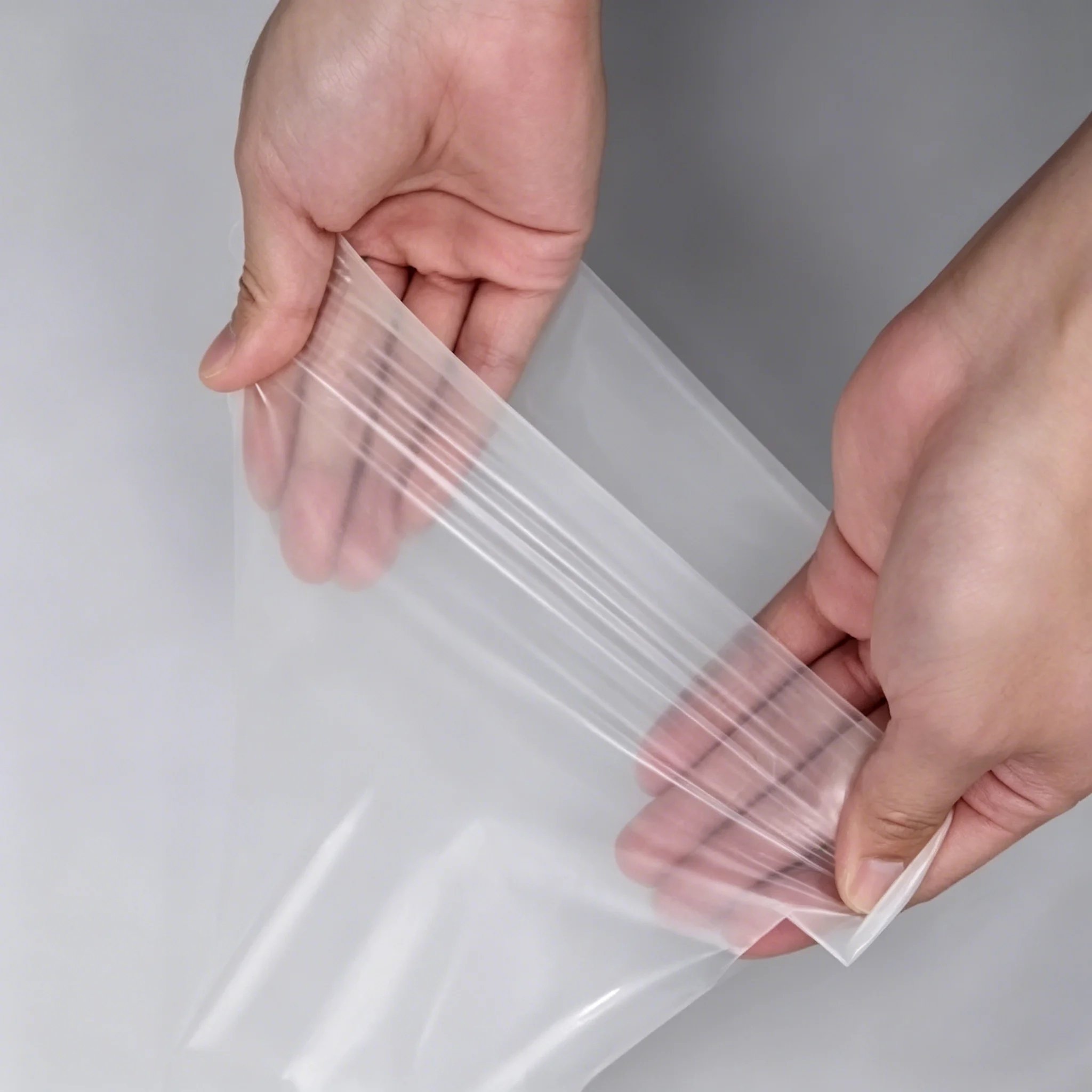
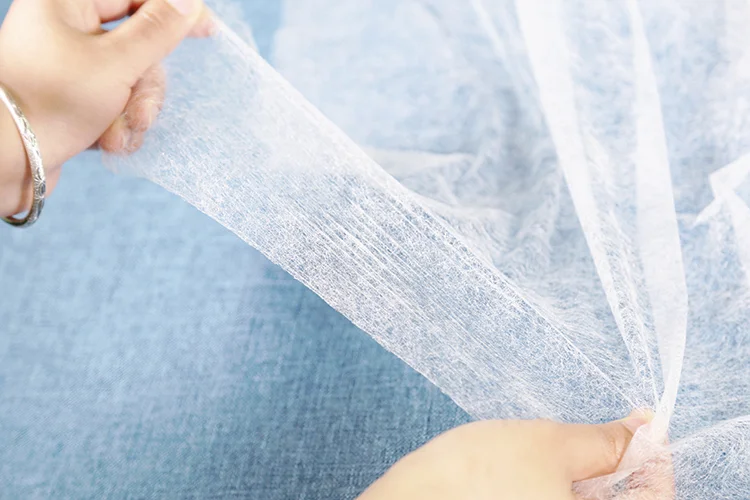
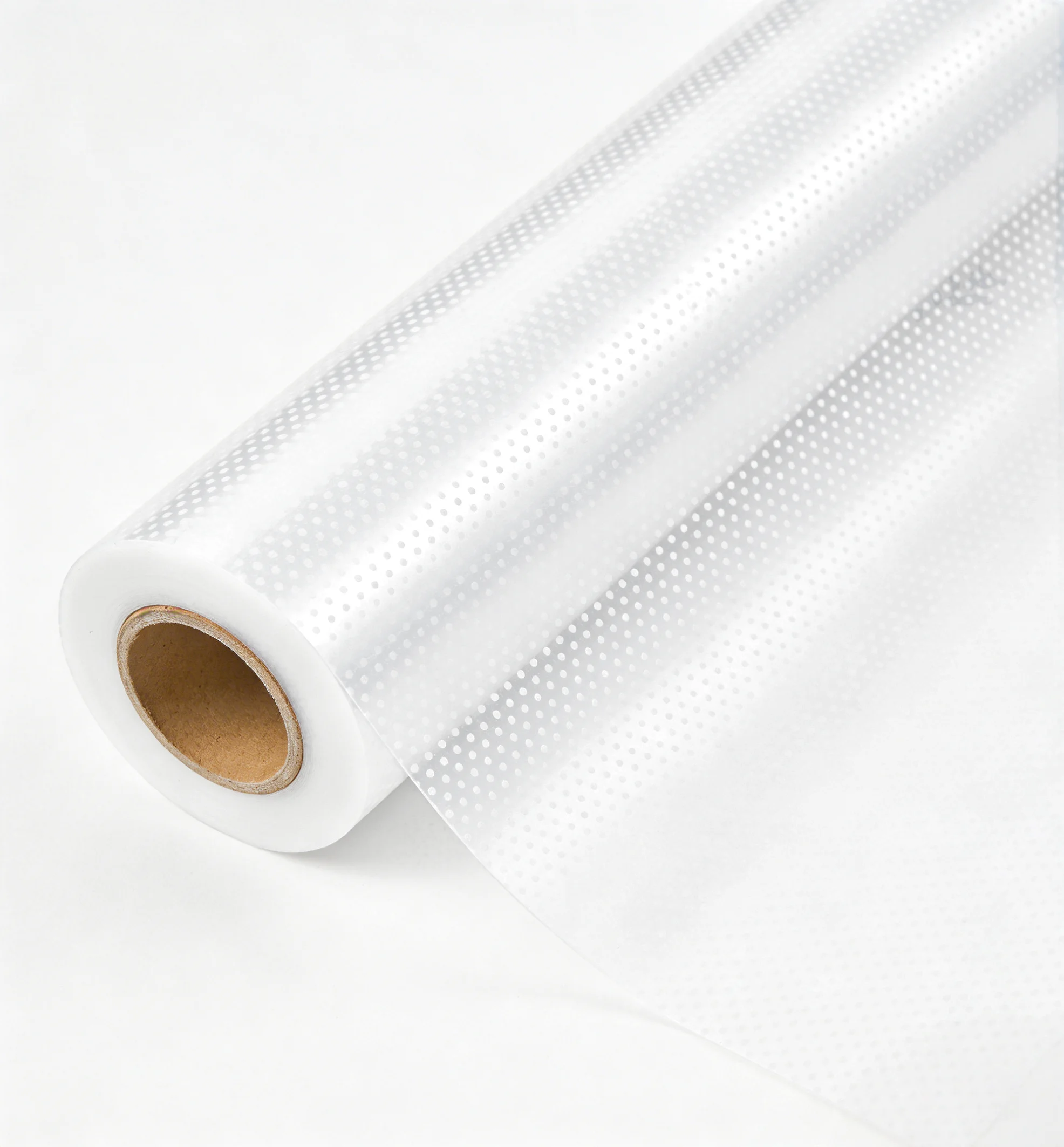
TPU/PU Waterproof Dispensing Films
TPU/PU dispensing films for waterproofing, sealing, and industrial lamination applications. Product selection should be confirmed according to the substrate and processing requirements.
Technical Specifications & Selection Guide
Quick Selection Matrix
| Base Material Combinations | Recommended Laminate | Key Evaluation Factors |
|---|---|---|
| Fabric + PU Foam | PES Web / Film | Suitable for automotive lamination evaluation |
| Genuine Leather + PU Foam | TPU Adhesive Film | Evaluate flexibility, hand feel and compatibility with the leather/foam construction |
| PVC/TPO Cover + Foam | PES Adhesive Film | Evaluate heat resistance and substrate compatibility |
| Fabric + Plastic (PP/PE) | PO/EAA Adhesive Film | Evaluate compatibility with low-surface-energy plastics |
| Carpet + EVA Laminate | PES Adhesive Film | Evaluate adhesive penetration, bond strength and laminate construction |
| Heating Elements + Fabric | TPU Adhesive Film | Evaluate activation temperature against heat-sensitive elements |
General Temperature Reference Table
| Adhesive Film Type | Processing Temperature Reference | Thermal Service Evaluation |
|---|---|---|
| PES Adhesive Film / Web | Grade-dependent / Confirm by trial | Confirm required service temperature and aging conditions |
| TPU Adhesive Film | Grade-dependent / Confirm by trial | Confirm flexibility, service temperature and substrate compatibility |
| TPE Adhesive Film | Grade-dependent / Confirm by trial | Confirm activation conditions and finished-component requirements |
| PO / EAA Adhesive Film | Grade-dependent / Confirm by trial | Confirm compatibility with the actual polyolefin substrate |
Note: Process parameters and service temperature performance must be confirmed through trials with the specific customer substrate and production equipment.
Frequently Asked Questions
How Should Automotive Interior Adhesives Be Evaluated for Odor and VOC Requirements?
For headliner lamination, how to choose between PES web and PES film?
How to solve the "orange peel" phenomenon on leather after lamination?
Do VOMELT hot melt adhesives comply with VDA 278 or DIN 75201?


Request Free Samples & Technical Support
Contact VOMELT for free samples, technical data sheets (TDS), safety data sheets (MSDS), and project evaluation support.