
PA Hot Melt Adhesive Web (Co-Polyamide)
Polyamide Adhesive Web for Textile & Industrial Lamination
VOMELT PA hot melt adhesive web is a co-polyamide bonding material for textile and industrial lamination. Different grades are available for heat-sensitive fabrics, secondary bonding, general lamination, dark fabrics and automotive interior applications.
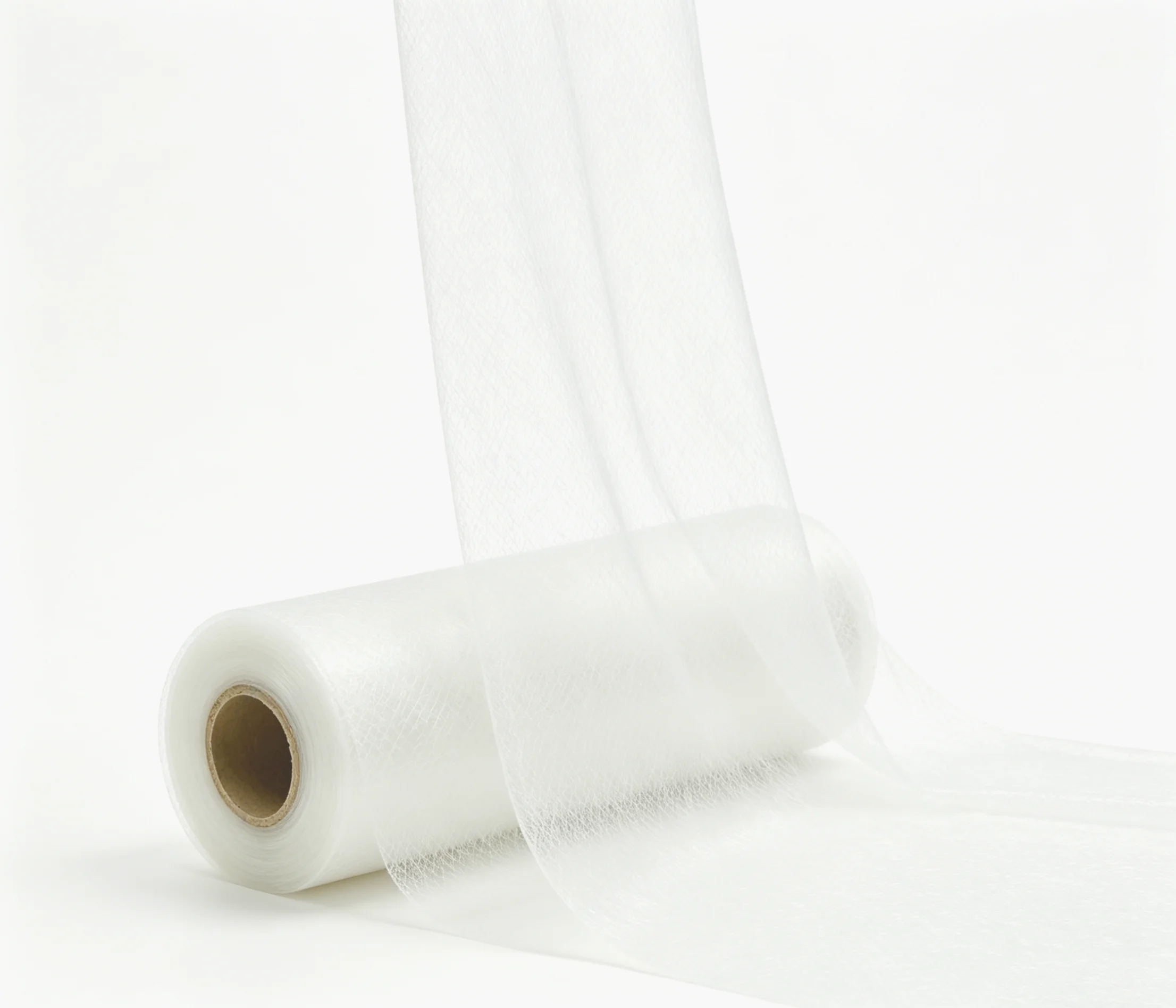
Product Overview
PA hot melt adhesive web is a co-polyamide thermoplastic bonding material supplied in an open web structure for heat-activated lamination. VOMELT offers multiple PA web grades for different substrates and processing requirements, including heat-sensitive fabrics, secondary bonding, general textile lamination, dark fabrics and automotive interior applications.
PA Hot Melt Adhesive Web Characteristics
Open-web bonding options for textile and industrial lamination requirements.
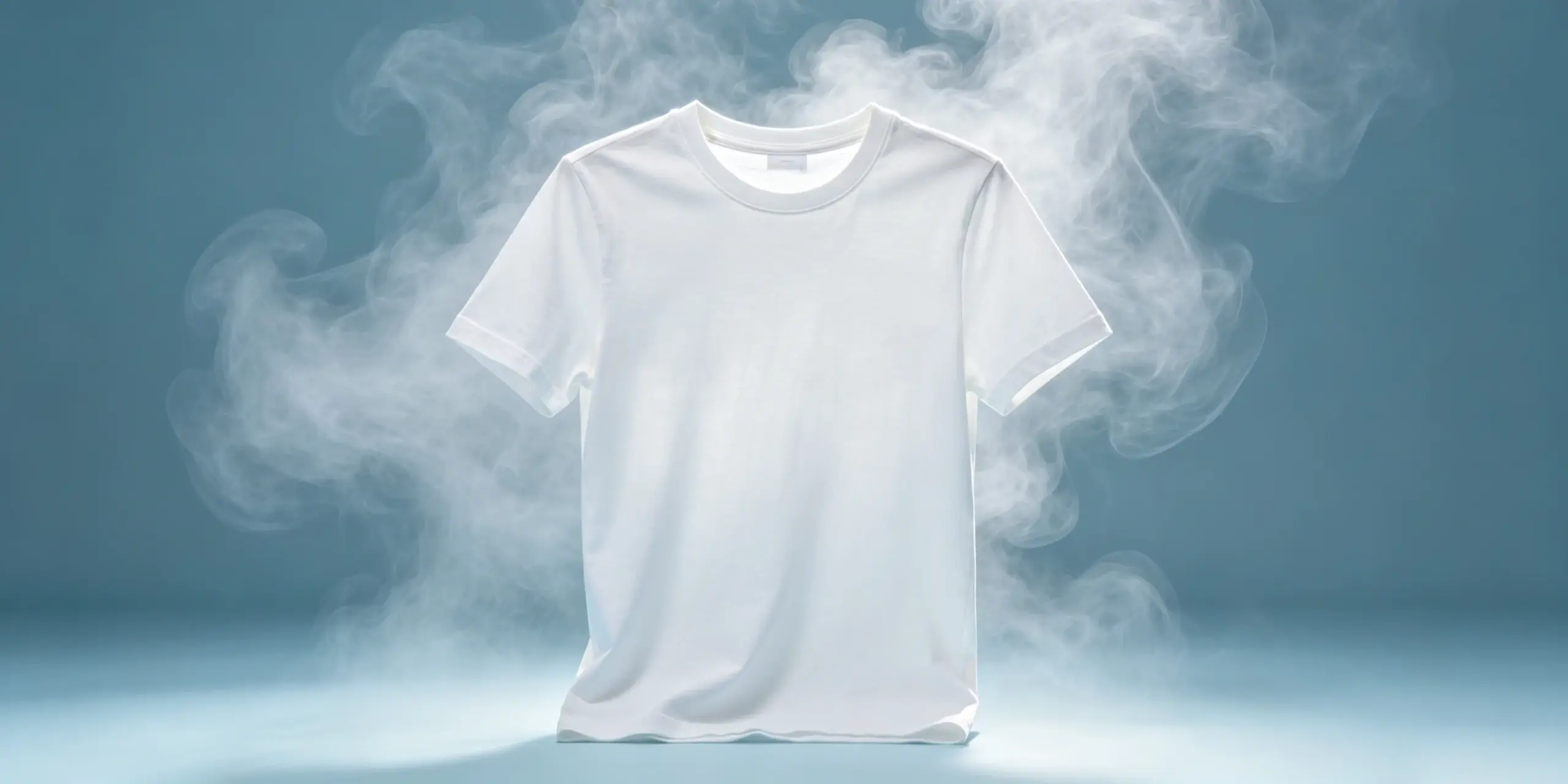
Open Web Structure
The open web structure leaves spaces between adhesive fibers, which can help preserve air permeability and a softer hand compared with continuous adhesive coverage.
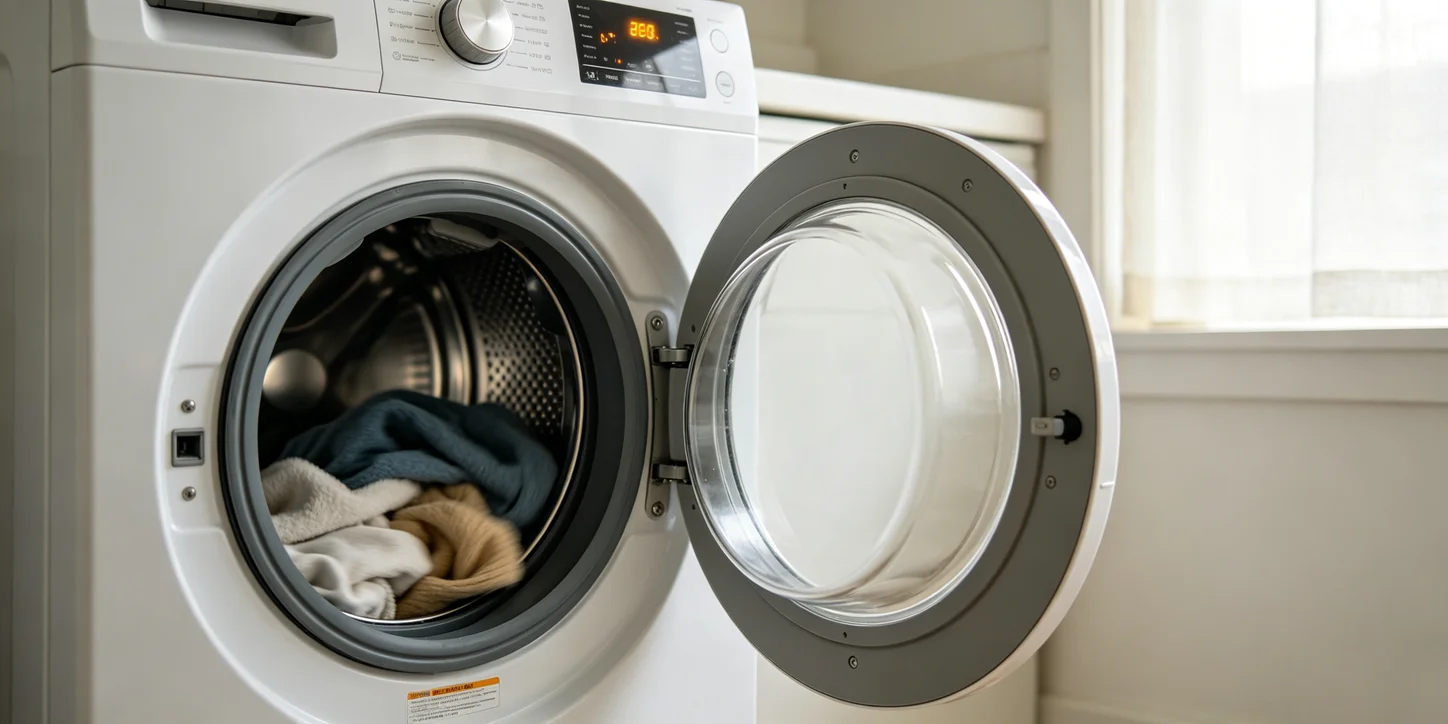
Grades for Different End-Use Requirements
The PA web range includes grades for general textile lamination, lower-temperature processing, dark materials and applications where dry-clean resistance is required.
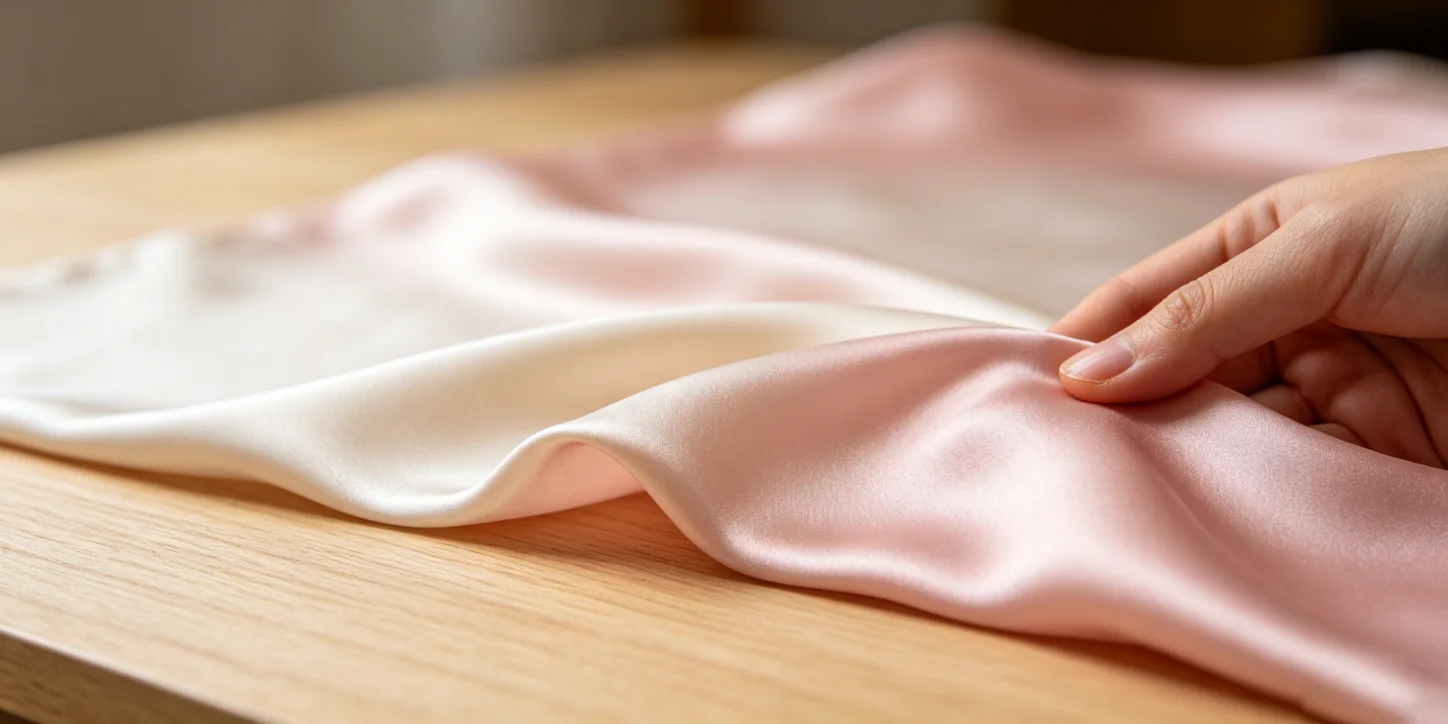
Non-Elastic PA Web Grades
The PA web grades listed on this page are non-elastic and are intended for bonding structures where stretch recovery from the adhesive layer is not required.
Controlled Adhesive Distribution
The web format distributes adhesive across the bonding area without creating the same continuous adhesive layer as a solid film.
Multiple Grade Options
Grade selection can be matched to the substrate, processing temperature, color requirement and whether release paper is needed for secondary bonding.
PA Hot Melt Adhesive Web Specifications
Compare VOMELT PA adhesive web grades by backing, melting range, recommended processing temperature and intended selection.
Processing note: Initial melting point is a material property and should not be treated as the recommended lamination temperature. Actual processing conditions should be confirmed by testing the target substrates.
PA Hot Melt Adhesive Web Applications
PA adhesive web can be evaluated for textile and industrial lamination according to the substrate combination, processing conditions and end-use requirements.
Garment & Textile Lamination
PA web grades can be evaluated for garment fabrics, interlining structures and other textile-to-textile lamination applications.
Heat-Sensitive Fabrics
XWA95 provides the lower recommended processing range within this PA web series and can be considered when the substrate requires lower-temperature processing.
Secondary Bonding
P-XWA116 is supplied with paper backing and is intended for applications where release paper is required during secondary bonding or pre-lamination.
Dark Fabrics
XWA120H is the dark-material option in the PA web range and can be evaluated where the appearance of the adhesive layer is a consideration.
Automotive Interiors
XWA120H is also positioned for automotive interior lamination applications. Final suitability should be verified with the actual substrate construction and production process.
Leather Lamination
PA hot melt adhesive web can be evaluated for leather lamination, but selection depends on the leather surface, coating, second substrate and processing temperature. Testing is recommended before bulk production.
Which PA Hot Melt Adhesive Web Should You Choose?
Choose the PA hot melt adhesive web according to the substrate, lamination temperature and whether release paper is required. XWA95 is intended for lower-temperature processing on heat-sensitive fabrics, P-XWA116 uses release paper for secondary bonding, XWA116 is the general-purpose grade, XWA120H is intended for dark fabrics and automotive interiors, and XWA112 is intended for general dry-clean-resistant lamination.
Important: Initial melting point is a material property and should not be treated as the recommended lamination temperature. Actual processing conditions should be confirmed by testing the target substrates before bulk production.
Not sure whether PA or PES is better for your bonding application? See our PA vs PES hot melt adhesive web comparison to compare substrates, washing requirements, and processing temperatures.
PA Hot Melt Adhesive Web Lamination Troubleshooting
Lamination results depend on the adhesive grade, substrate construction, temperature, pressure, dwell time and line speed. Use the following checks as a starting point when evaluating PA hot melt adhesive web on your production materials.
Processing note: Recommended temperature ranges are starting references for each PA web grade, not universal machine settings. Final conditions should be established through trials using the actual substrates and production equipment.
PA Adhesive Web vs. Solid Adhesive Film
PA hot melt adhesive web has an open web structure, while solid adhesive film forms a continuous adhesive layer. The web structure can reduce adhesive coverage between substrates and is often considered when softness and air permeability are important.
Solid adhesive film may be preferred when continuous adhesive coverage is required. The suitable form depends on the substrates, finished-product structure and lamination requirements, so neither format should be treated as universally better.
PA Adhesive Web
Open adhesive structure with spaces between fibers. Useful when the laminate design benefits from reduced adhesive coverage.
Solid Adhesive Film
Continuous adhesive layer. It may be selected when continuous adhesive coverage is part of the bonding requirement.
PA Hot Melt Adhesive Web FAQ
Technical answers for PA hot melt adhesive web selection and applications.
What is the difference between PA hot melt adhesive web and solid adhesive film?
Is PA hot melt adhesive web suitable for leather lamination?
What is the difference between XWA95 and XWA116 PA adhesive web?
Does PA hot melt adhesive web come with release paper?
Is the initial melting point the same as the lamination temperature?
Need Help Selecting a PA Hot Melt Adhesive Web?
Send us your substrate combination, application requirements and available lamination conditions. We can help narrow the PA web grade for sample testing before bulk production.
Substrate Combination
Tell us both materials to be bonded.
Processing Conditions
Share your machine type and temperature limits.
End-Use Requirement
Describe the finished product and performance needs.
Sample Testing
Confirm compatibility before bulk production.
Request PA Web Samples
For a more useful recommendation, include the first substrate, second substrate, application and any temperature limitation in your inquiry.
“We need to laminate a heat-sensitive textile to another fabric and would like to evaluate a lower-temperature PA adhesive web.”
Please test the recommended material with your actual substrates before bulk production.