
Breathable Hot Melt Adhesive Films & Webs
When developing breathable adhesive materials for performance textiles, breathability can decrease during lamination if adhesive blocks the fabric pores. Selecting between continuous adhesive film and open breathable adhesive webs can strongly influence final airflow, moisture-vapor transmission and softness.
Breathable hot melt bonding is usually achieved by controlling adhesive coverage rather than assuming the adhesive polymer itself is breathable. Open-structure hot melt adhesive web or mesh can help preserve air and moisture pathways between textile layers, while continuous adhesive film may reduce breathability by covering fabric pores.
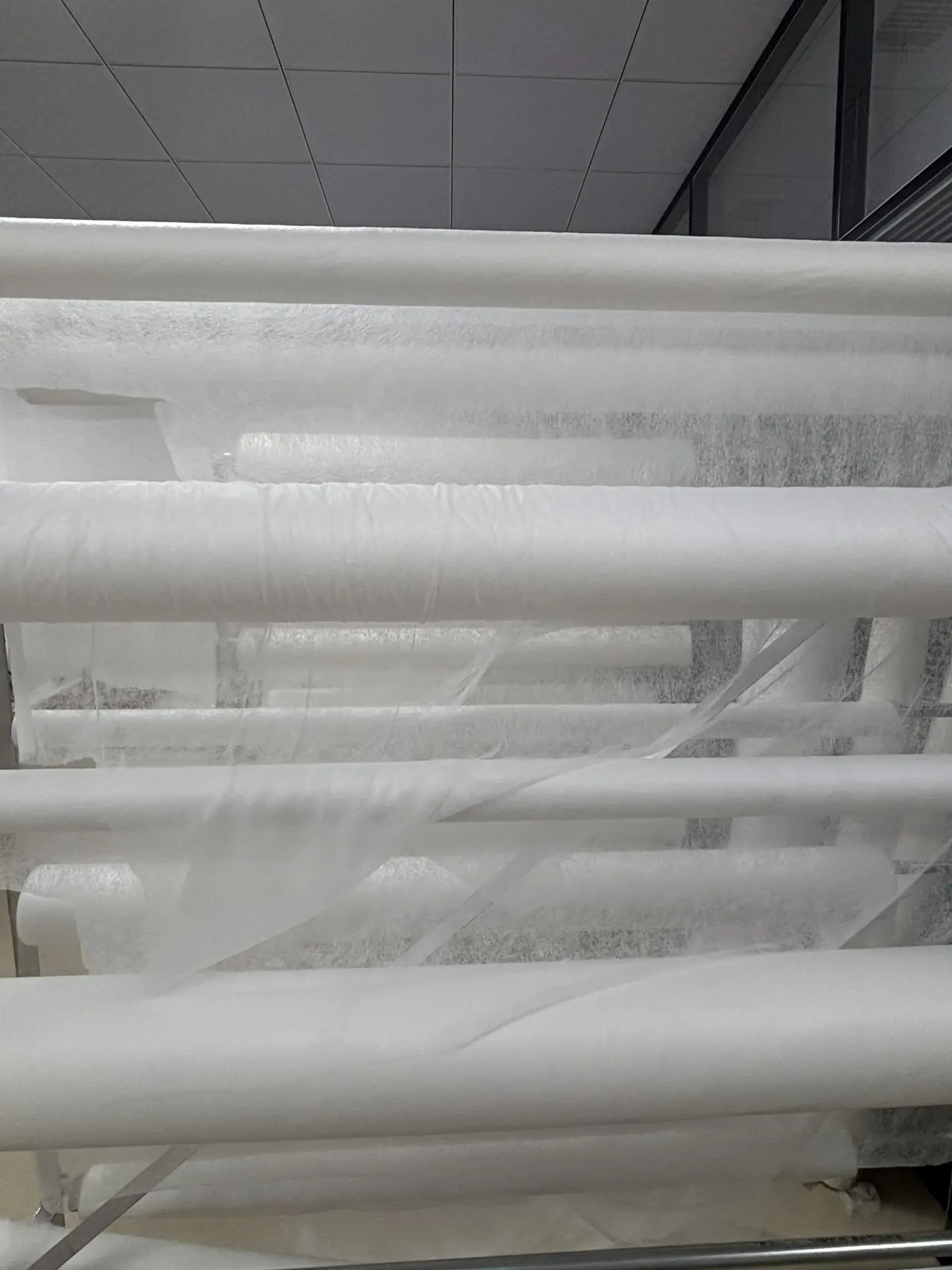
What Is a Breathable Hot Melt Adhesive?
A breathable adhesive system bonds two materials while limiting the loss of air or moisture-vapor permeability through the finished laminate.
Adhesive Structure Matters
TPU, PA, PES and other hot melt adhesive chemistries can be supplied in different physical forms. Final laminate breathability depends on polymer compatibility, adhesive coverage, web density, adhesive thickness, substrate construction and processing conditions.
Open adhesive coverage can preserve more airflow pathways.
Continuous adhesive coverage can cover textile pores and reduce permeability.
The complete laminate determines the final result, not the adhesive name alone.
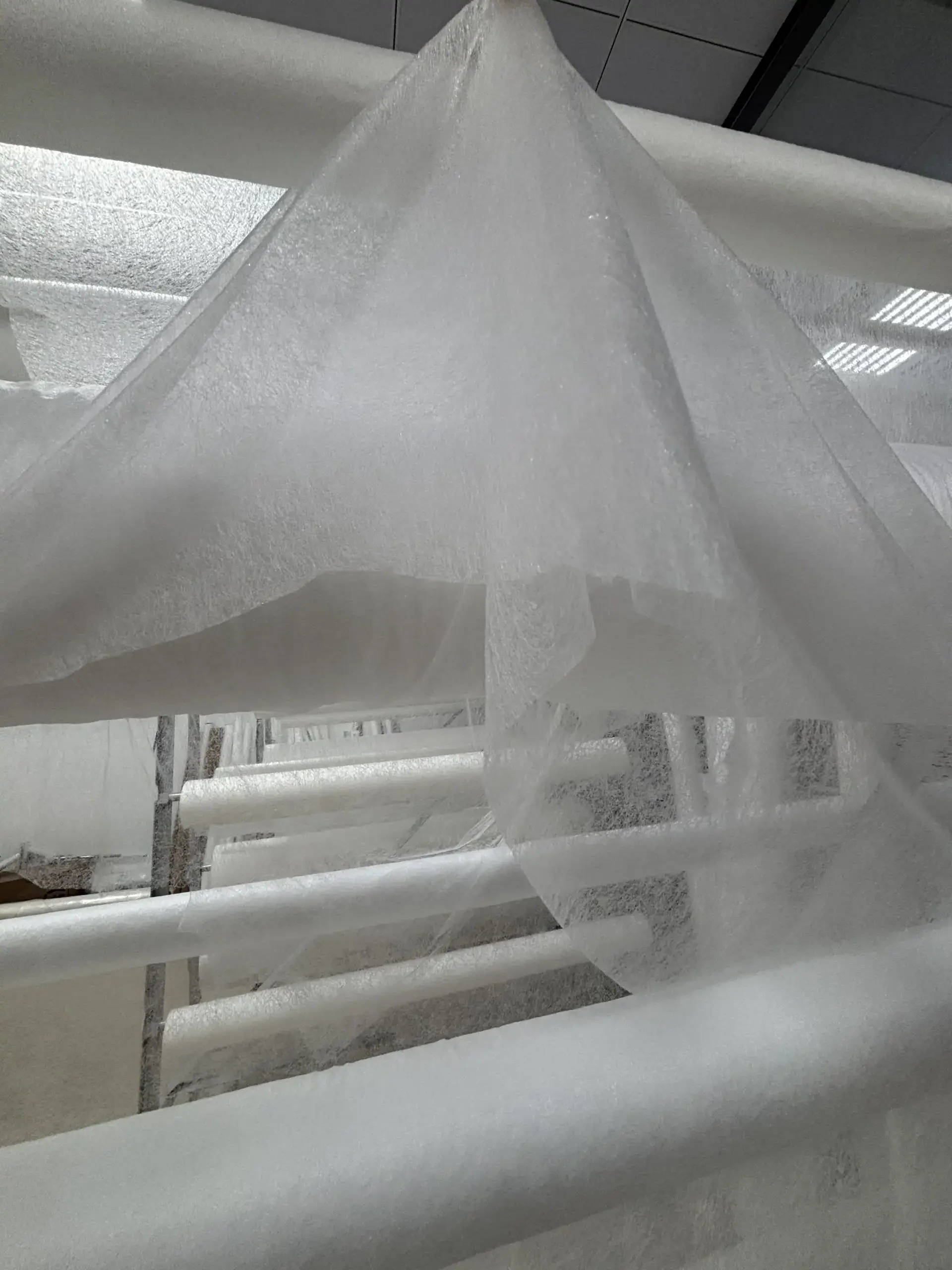
Breathable Adhesive Film vs Hot Melt Adhesive Web
Physical adhesive coverage can strongly affect airflow, moisture transfer, softness and bonding behavior in textile laminates.
Solid Adhesive Film
Continuous adhesive coverage may cover existing textile pores. Actual permeability still depends on adhesive thickness, the two substrates and the overall laminate construction.
Adhesive Web / Mesh
Open adhesive coverage leaves spaces between bonding points, giving the laminate greater potential to preserve existing air and moisture pathways.
Schematic illustration only. Final breathability should be verified on the complete laminated structure.
| Adhesive Structure | Coverage | Breathability Potential | Typical Consideration |
|---|---|---|---|
| Solid Hot Melt Adhesive Film | Continuous or near-continuous | Generally Lower | Uniform adhesive coverage, sealing or applications where maximum permeability is not the primary requirement. |
| Hot Melt Adhesive Web | Open and discontinuous | Higher Potential | Breathable, soft and lightweight textile lamination. |
| Hot Melt Adhesive Mesh | Controlled open pattern | Adjustable | Applications requiring controlled adhesive distribution and open area. |
Which Hot Melt Adhesive Chemistry Should You Choose?
Chemistry affects material compatibility, flexibility and durability. Breathability must then be considered together with adhesive form and coverage.
TPU Hot Melt Adhesive
TPU is often considered for textile applications requiring flexibility, softness or elasticity. For breathable structures, TPU chemistry and adhesive coverage should be evaluated together.
View TPU Adhesive Web →PA Hot Melt Adhesive
PA hot melt adhesives can be evaluated for textile and multi-material bonding. Where permeability is important, an open PA web structure may be considered instead of continuous coverage.
View PA Adhesive Web →PES Hot Melt Adhesive
PES can be considered where its bonding and thermal characteristics match the substrates. As with TPU and PA, permeability depends strongly on adhesive structure and coverage.
View PES Adhesive Web →Selection rule: choose adhesive chemistry for material compatibility and durability, then choose film, web or mesh structure according to breathability, softness and laminate design.
What Affects Breathability After Lamination?
The same adhesive can produce different results when material construction, adhesive amount or processing conditions change.
Adhesive Coverage
More complete coverage can restrict a greater portion of the original airflow pathways in the textile.
Web or Mesh Density
Denser structures provide more adhesive contact while more open structures leave more unbonded area.
Adhesive Amount
Excess adhesive may increase penetration and stiffness and change the behavior of lightweight textiles.
Fabric Construction
Open knits, dense woven fabrics, nonwovens and coated textiles can react differently to the same adhesive.
Second Substrate
A breathable textile cannot create a highly breathable laminate if another layer acts as a barrier.
Heat & Pressure
Excessive melt flow or compression can change adhesive distribution and the open structure of the laminate.
How VOMELT Evaluates Breathable Textile Laminates
Breathability cannot be judged from adhesive chemistry alone. We evaluate the complete laminate, including both substrates, adhesive structure, processing conditions and end-use requirements.
Material Identification
We confirm both substrates, fabric construction, coatings, surface treatments, thickness and stretch requirements.
Adhesive Structure Selection
We compare whether solid adhesive film, open web or mesh is more suitable for the required balance of bonding, softness and permeability.
Lamination Trials
Candidate materials can be evaluated using preliminary temperature, dwell-time and pressure conditions with the customer's actual substrates whenever possible.
Peel & Tensile Evaluation
VOMELT has dedicated equipment for peel and tensile-strength evaluation. Test conditions and acceptance criteria should be defined according to the finished application.
Durability Checks
Where required, bonded samples can also be evaluated for washing or other application-specific durability requirements. Performance should be confirmed under defined test conditions.
Send Your Actual Bonding Requirements
Accurate adhesive selection starts with the complete laminate, not only the name of one fabric.
Important: final temperature, time, pressure, peel strength, breathability and wash performance should be confirmed with actual materials and defined test conditions.
Where Are Breathable Adhesive Materials Used?
Open adhesive structures are useful where bonding is required without unnecessarily blocking permeability or changing the softness of the original textile.
Apparel & Sportswear
Soft laminates where comfort, drape, stretch or moisture management may be important.
Footwear
Textile, foam and layered components where lightweight bonding and ventilation may be required.
Home Textiles
Layered constructions where softness and textile permeability need to be considered together.
Upholstery
Multi-layer textile composites requiring controlled adhesive coverage.
Nonwoven Materials
Lightweight composite structures where open bonding patterns may be advantageous.
Technical Textiles
Applications requiring a defined balance between bonding performance and permeability.
How to Choose Between Adhesive Film and Web
Start with the finished laminate requirement rather than selecting an adhesive only by polymer name.
Evaluate Web or Mesh
Compare adhesive chemistry, open-area structure, bonding performance, softness and final laminate permeability.
Solid Film May Be Suitable
Continuous film can be evaluated where uniform adhesive coverage or other laminate requirements are more important than preserving airflow.
Related Textile Adhesive Guides
Continue comparing adhesive chemistry, textile compatibility and flexible bonding requirements.
Frequently Asked Questions About Breathable Adhesive Film
Is hot melt adhesive film breathable? +
What makes an adhesive laminate breathable? +
Is hot melt adhesive web more breathable than film? +
Can TPU hot melt adhesive be used for breathable fabrics? +
Does more adhesive improve breathable textile bonding? +
How should breathable textile bonding be tested? +
Need a Breathable Adhesive Recommendation?
Tell us what materials you need to bond and your finished-product requirements. VOMELT can help narrow suitable hot melt adhesive film, web or mesh options for sample evaluation.
Material Matching
Tell us both substrates, including fabric, foam, film, nonwoven or coated materials.
Film vs Web Selection
We consider bonding strength together with airflow, softness, stretch and laminate construction.
Sample Evaluation
Candidate adhesive structures can be evaluated with your actual substrates before mass production.
OEKO-TEX® documentation available for selected grades.
Tell Us About Your Application
The more information you provide, the easier it is for us to recommend a suitable adhesive structure.