Hot Melt Adhesive Material Selection Guide
Compare hot melt adhesive film, hot melt adhesive web and functional dot-film structures by substrate, polymer family, processing requirements and end-use performance. Use this guide to narrow suitable bonding options for textiles, foam, leather, plastics, wood, metal and rubber.
The right adhesive should be selected from the complete material combination—not only the adhesive name or melting point.
Quick Guide to Hot Melt Adhesive Film & Web
Start by deciding whether your application needs continuous adhesive coverage, an open web structure, or controlled dot coverage.
Three Product Forms
Hot Melt Adhesive Film
A continuous adhesive layer. Film is a practical starting point when continuous bonding coverage, controlled thickness or uniform lamination is required.
Hot Melt Adhesive Web
An open fibrous adhesive structure. Web can be evaluated when reduced adhesive coverage, softness or an open laminate structure is important.
Functional Dot Film
A patterned adhesive structure for applications requiring controlled adhesive distribution together with specific waterproofing, flexibility or breathability requirements.
Four-Step Core Selection Method
Identify Both Substrates
Record the first and second materials. Fabric-to-foam, fabric-to-metal and plastic-to-metal constructions can require different adhesive behavior.
Check End-Use Requirements
Consider flexibility, washing, temperature resistance, breathability, waterproofing, appearance and aging requirements.
Check Processing Limits
Confirm the substrate's temperature limit, machine type, pressure, dwell time and line speed.
Test the Actual Materials
Use specifications to narrow the starting grade, then confirm bonding with the real substrates before mass production.
Need to Compare Polymer Families?
Polymer chemistry and adhesive form are separate decisions. TPU, PA, PES, TPE, PO/EAA and EVA can behave differently depending on the substrates and end-use requirements.
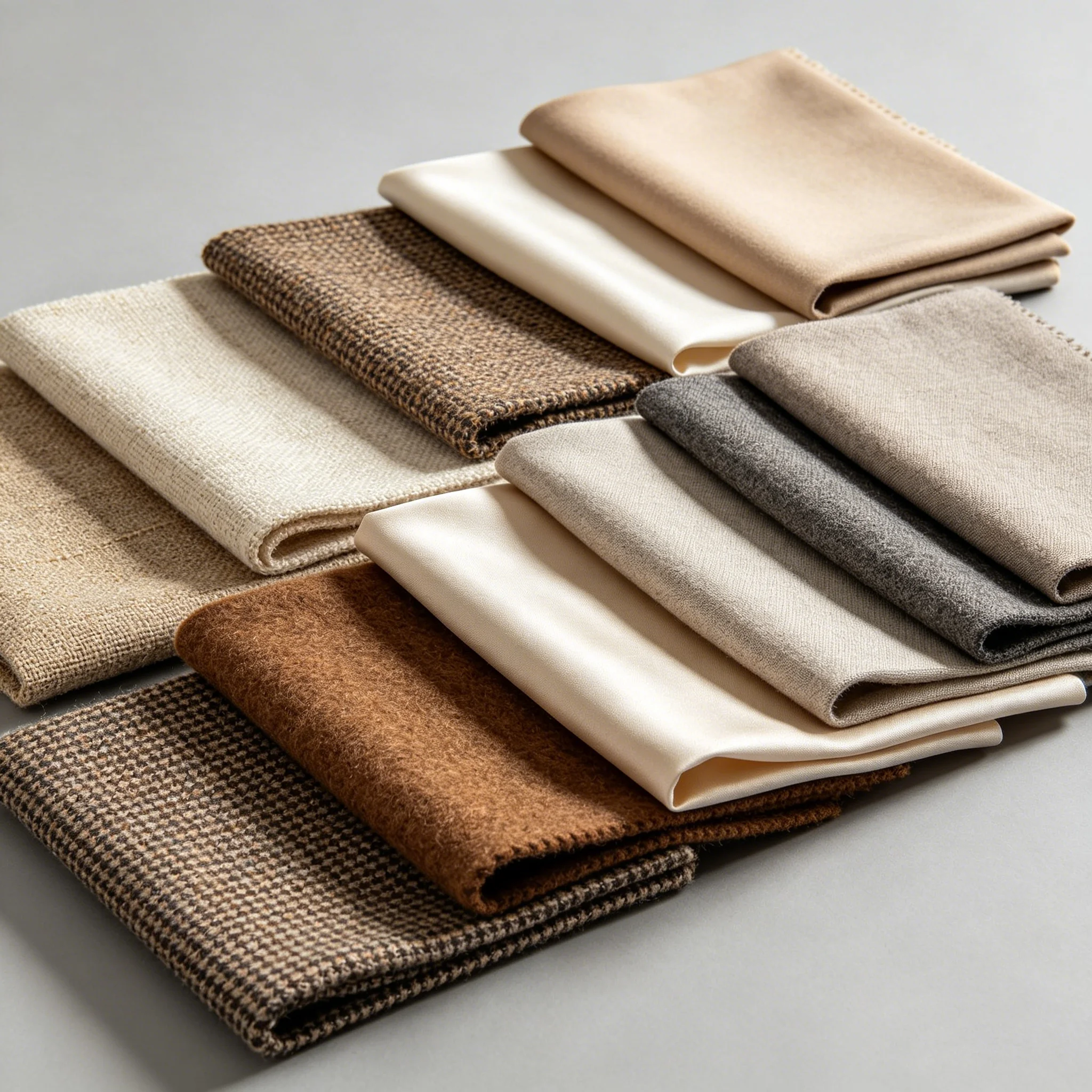
Hot Melt Adhesive for Fabrics & Textiles
View detailed textile bonding guide →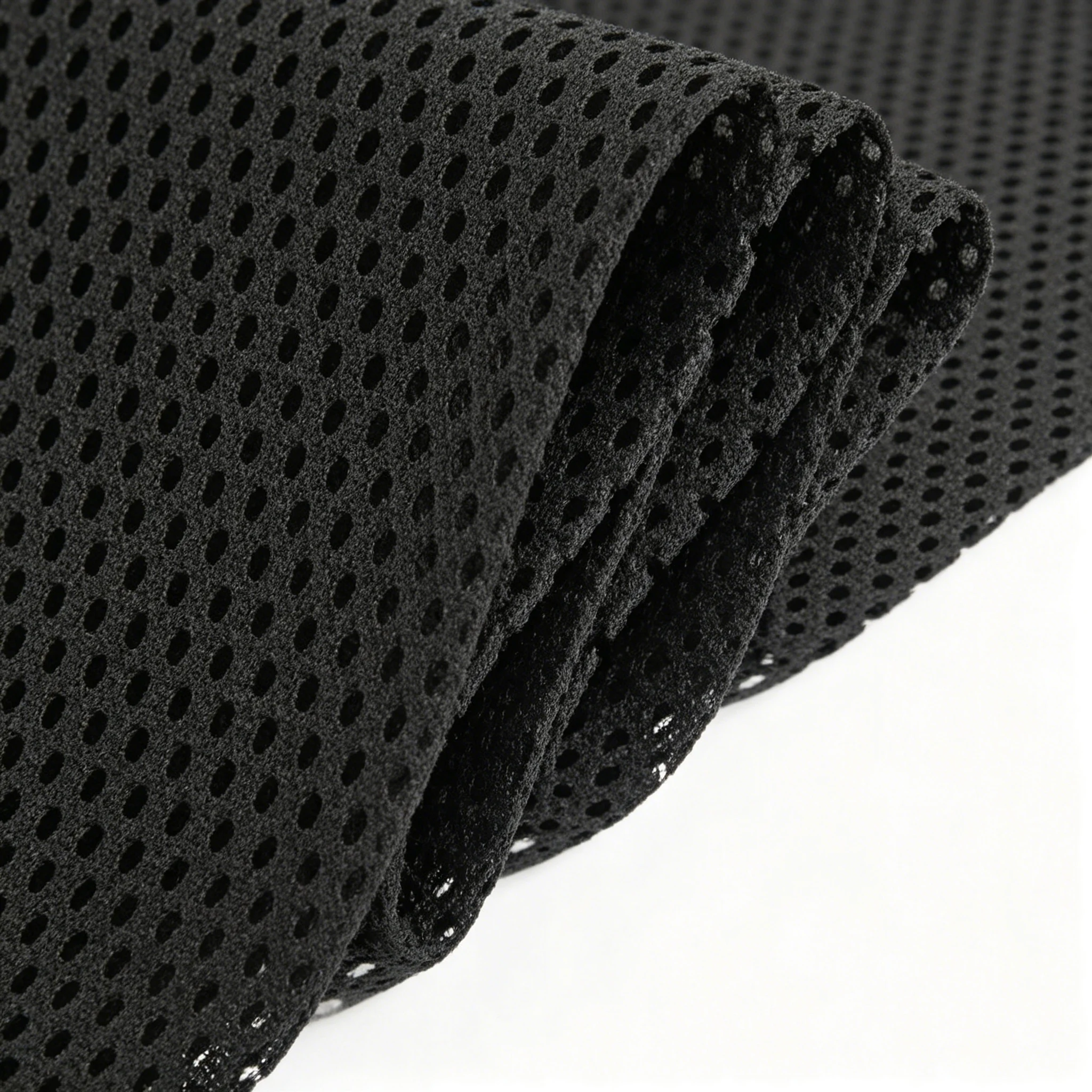
Hot Melt Adhesive for Foam & Sponge
View detailed foam bonding guide →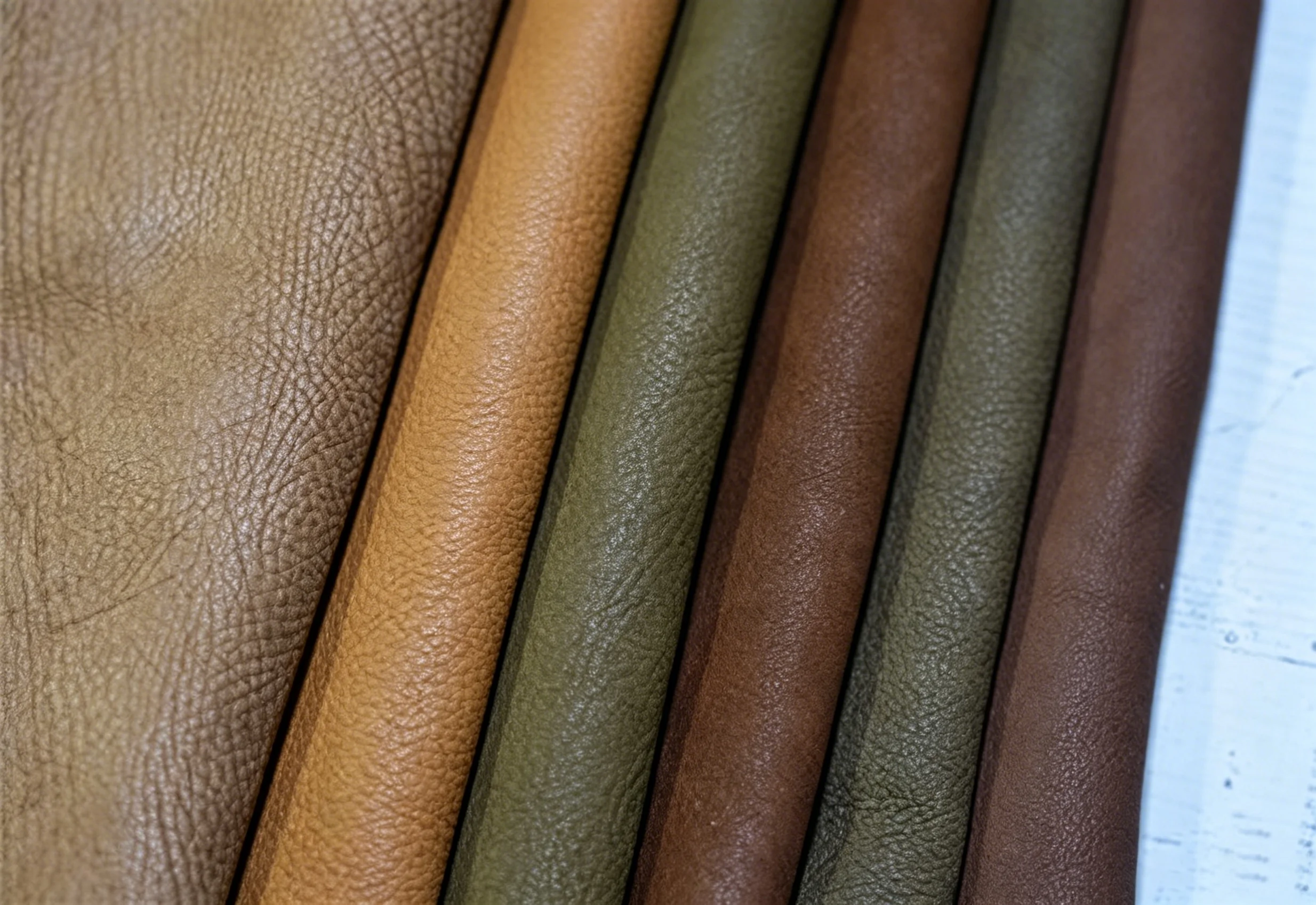
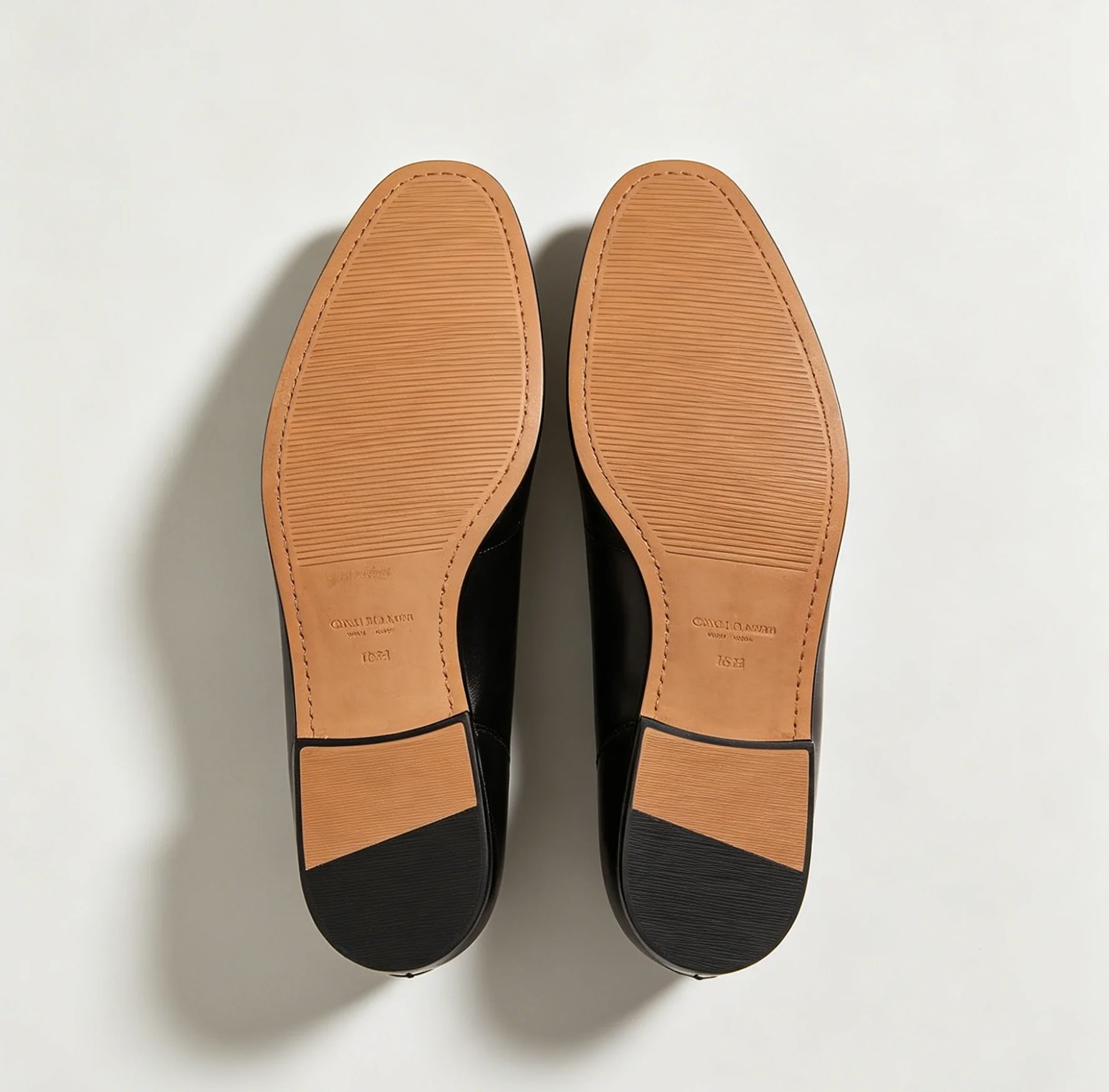
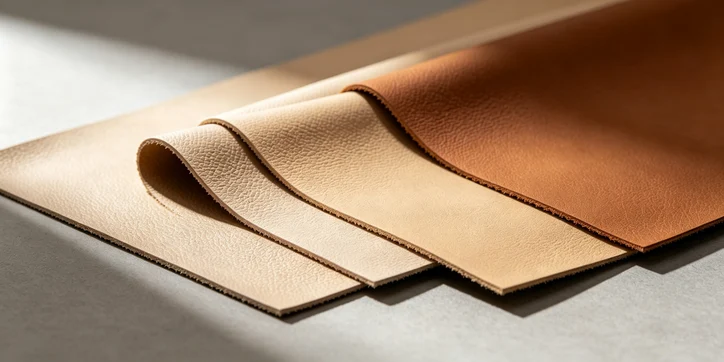
Hot Melt Adhesive for Leather
View detailed leather bonding guide →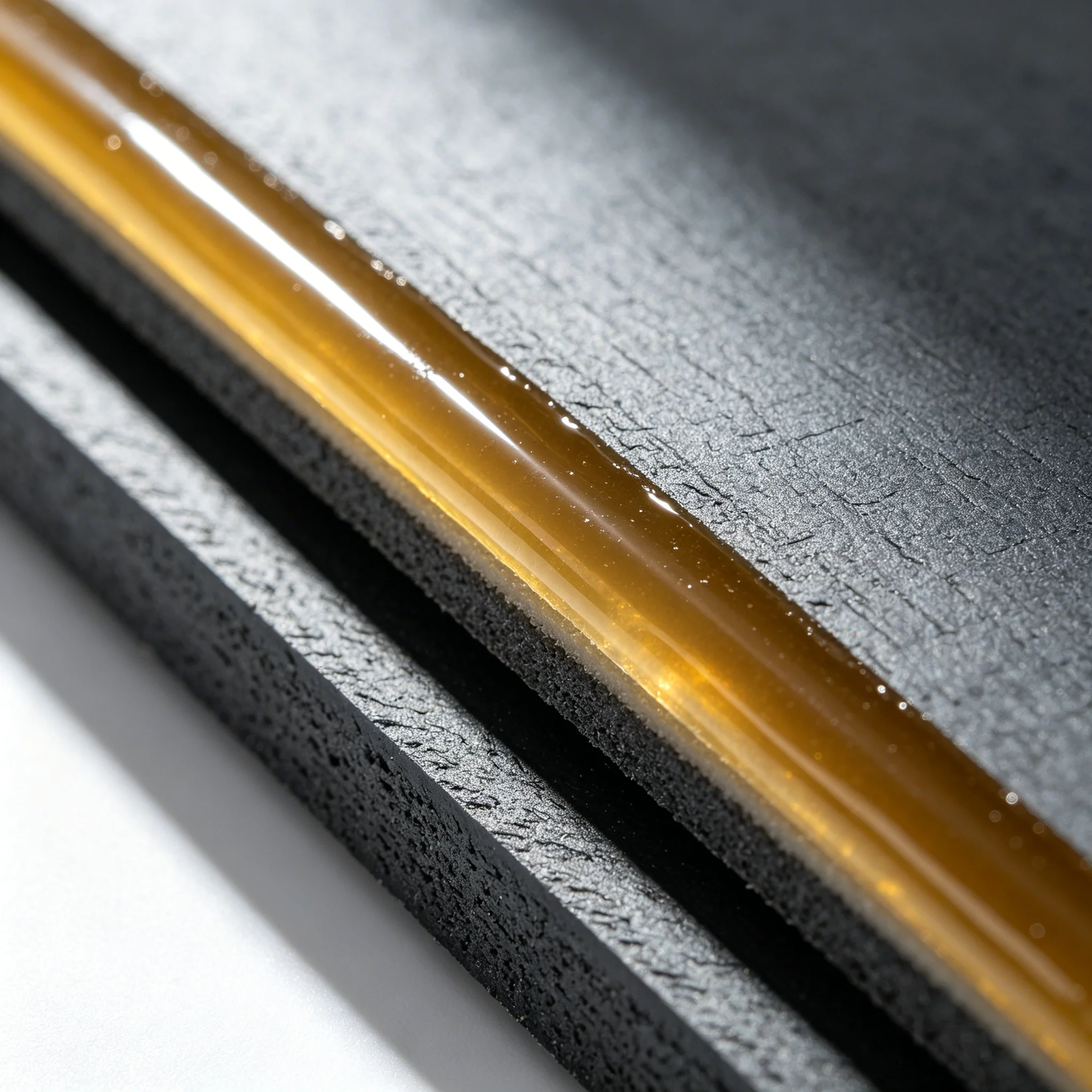
Hot Melt Adhesive for Plastics
View detailed plastic bonding guide →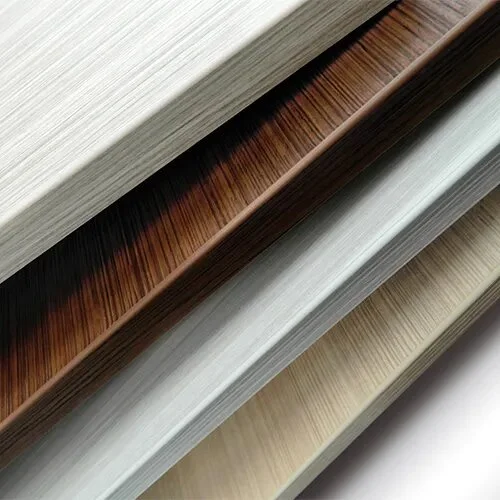
Hot Melt Adhesive for Wood
View detailed wood bonding guide →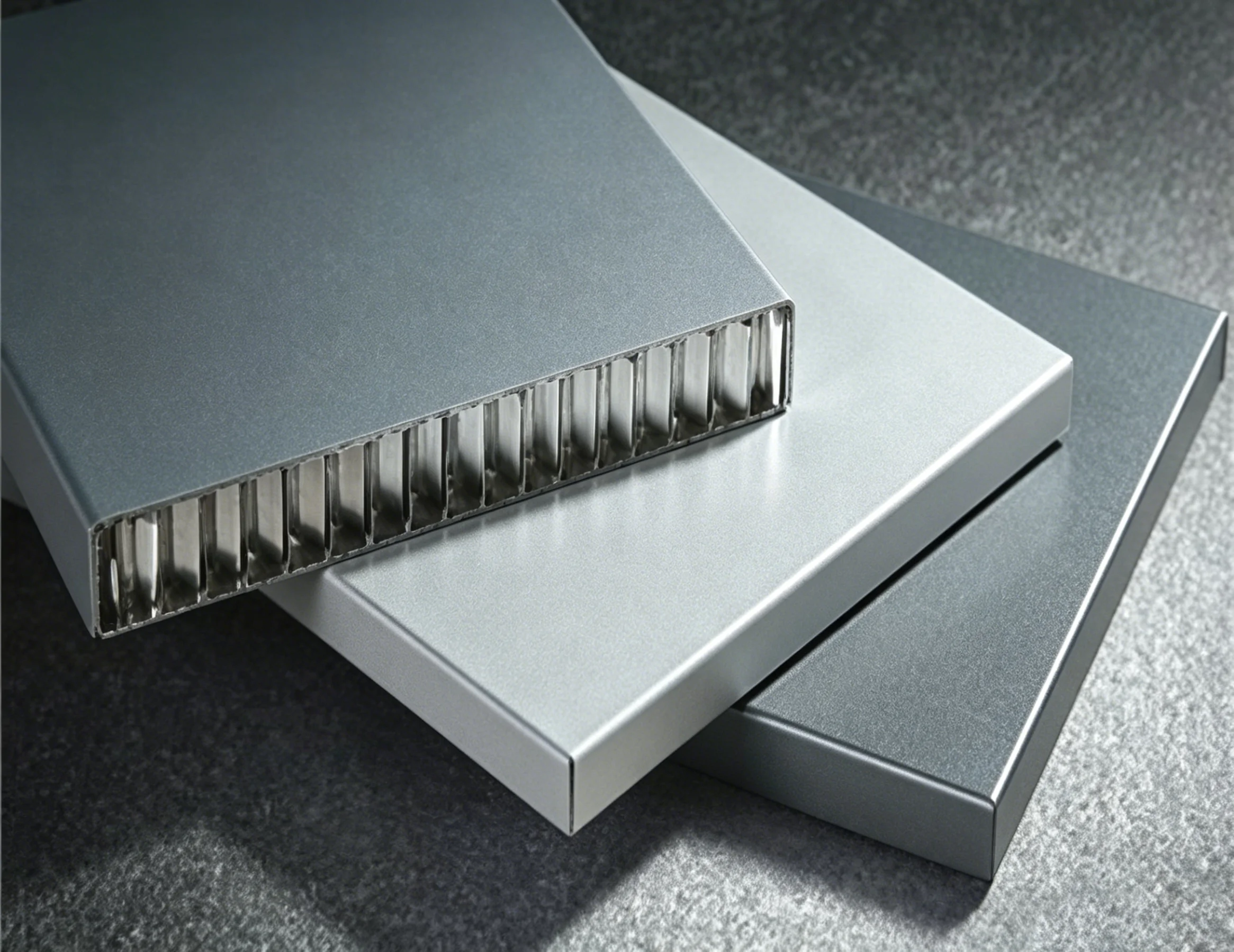
Hot Melt Adhesive for Metal
Metal guide →| Type | Starting Options | Main Check |
|---|---|---|
| Aluminum | PO/EAA, compatible TPU or PES grade | Surface treatment + second substrate |
| Stainless steel | PO/EAA or compatible thermoplastic adhesive | Surface cleanliness |
| Copper / brass | TPU, PO/EAA or suitable PES | Surface and end use |
| Galvanized metal | PO/EAA or application-specific adhesive | Actual galvanized coating |
For a real application using PES adhesive web on a metal honeycomb speaker panel, see our speaker grille cloth bonding test .
Hot Melt Adhesive for Rubber
Rubber guide →| Type | Starting Options | Main Check |
|---|---|---|
| Natural rubber | TPU or TPE depending on construction | Surface and flexibility |
| NBR | Compatible TPU grade | Rubber formulation |
| Silicone | Special adhesive system | Surface treatment / primer |
| EPDM | PO/EAA, TPU or application-specific grade | Low-energy surface |
Quick Hot Melt Adhesive Selection Index
Recommended Multi-Material Starting Points
Material Compatibility Guide
Select the material you need to bond to view more detailed substrate-specific recommendations.
Material Selection Notes
Surface Treatment
Low-surface-energy plastics and other difficult surfaces may require corona, plasma, primer or another preparation method. Surface treatment should be evaluated with the actual substrate.
Processing Conditions
Melting range and lamination temperature are not the same. Actual processing also depends on thickness, line speed, pressure, dwell time and equipment.
Adhesive Weight & Thickness
More adhesive is not automatically better. Film thickness or web gsm should match the surface structure and required bond.
Small-Batch Validation
Trial bonding should be completed before mass production to confirm adhesion and end-use performance.
Finished-Product Testing
Washing, aging, temperature, breathability and other performance requirements should be checked on the finished laminate when relevant.
Custom Evaluation
If a standard product does not fit the construction, send both substrates and the process conditions so we can evaluate a more suitable starting option.
Custom Services & Technical Support
For production projects, VOMELT can evaluate adhesive form, polymer family, thickness or gsm, processing conditions and substrate compatibility using the customer's actual materials.
Customizable Parameters
- • Film thickness
- • Adhesive web gsm
- • Roll width
- • Color / appearance
- • Processing-temperature range
- • Flexibility / hand feel
- • Adhesive form
Send Us Your Application
- • First substrate
- • Second substrate
- • Final application
- • Current adhesive
- • Processing temperature
- • Pressure / dwell time / line speed
- • Estimated production volume
Product Form & Specification Examples
The following examples show how thickness or adhesive weight changes within different product forms. Final specifications should be confirmed for the actual application.
Common TPU Film Examples
| Thickness | Approx. Weight | Example Application |
|---|---|---|
| 0.02 mm | 18–22 g/m² | Lightweight textiles |
| 0.04 mm | 35–40 g/m² | Seamless sportswear |
| 0.06 mm | 55–60 g/m² | General textile bonding |
| 0.10 mm | 90–100 g/m² | Braces / footwear |
| 0.15 mm | 135–150 g/m² | Luggage / leather |
Common TPE Film Examples
| Thickness | Approx. Weight | Example Application |
|---|---|---|
| 0.03 mm | 28–32 g/m² | Soft textile constructions |
| 0.05 mm | 45–50 g/m² | Stretch textile applications |
| 0.08 mm | 72–80 g/m² | General lamination |
| 0.12 mm | 110–120 g/m² | Luggage lining / insoles |
Hot Melt Adhesive Web Examples
| Polymer | Available Weight | Typical Selection Area |
|---|---|---|
| PA web | Grade dependent | Textiles / interlining / selected industrial bonding |
| PES web | Grade dependent | PET / polyester / selected metal and industrial bonding |
| TPU web | Grade dependent | Flexible textile applications |
| EVA web | Grade dependent | Selected general-purpose applications |
Functional Dot Film
Dot-pattern adhesive structures can be adjusted by application requirements such as adhesive coverage, flexibility, waterproofing and finished-laminate breathability.
Final pattern, adhesive weight and processing conditions should be validated using the actual textile construction.
Material Selection Decision Flow
Step 1: Identify both substrates
Start with the first and second materials rather than choosing only from the adhesive polymer name.
Step 2: Check whether flexibility or stretch is required
Flexible and elastic structures usually need an adhesive that does not unnecessarily restrict the movement of the finished laminate.
Step 3: Decide between film, web or patterned adhesive
Use film when continuous coverage is required. Evaluate web when the laminate benefits from a more open adhesive structure. Use patterned systems where controlled coverage is part of the functional requirement.
Step 4: Check temperature and washing requirements
Compare the adhesive grade with the substrate's heat tolerance and the finished-product washing, dry-cleaning or service-temperature requirements.
Step 5: Validate the production process
Confirm temperature, pressure, dwell time or line speed using the customer's actual substrates and production equipment.
Real Bonding Tests & Application Evidence
Material guides are useful for narrowing the starting point, but real substrates provide better evidence for final selection.
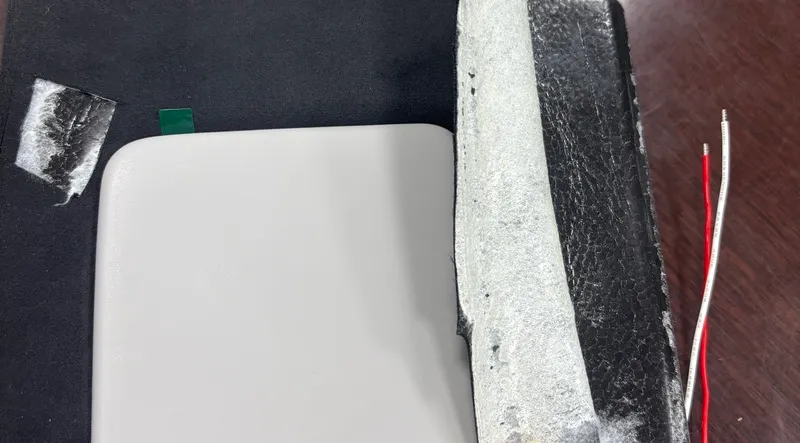
EPP Foam + Automotive Interior Board
A real low-temperature bonding evaluation using HWP88 PP-based hot melt adhesive web on heat-sensitive EPP foam.
View EPP Test →
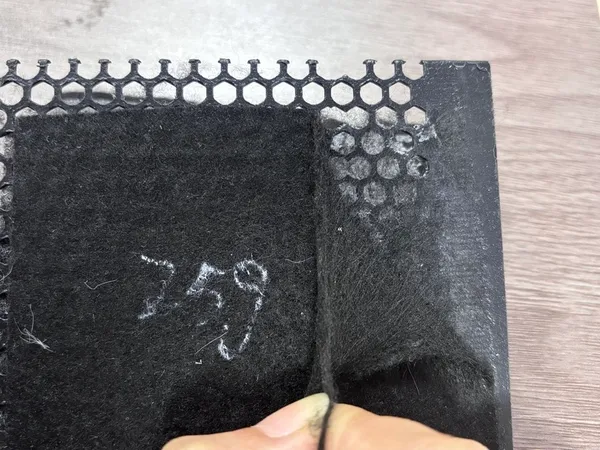
Speaker Grille Cloth + Metal Honeycomb Panel
Compare 15 g/m² and 25 g/m² PES adhesive web on nonwoven and pile speaker fabrics.
View Speaker Bonding Test →
Hot Melt Adhesive Material Selection FAQ
How do I quickly determine which hot melt adhesive is suitable for my material?
What is the difference between hot melt adhesive film and hot melt adhesive web?
Which hot melt adhesive can bond PP or PE?
Is melting point the same as lamination temperature?
Should I choose the thinnest film or lowest web gsm?
What information should I provide for an adhesive recommendation?

Technical Support & Material Evaluation
Send us your actual substrates and processing conditions. We can help narrow a practical hot melt adhesive film or web option for sample testing before bulk production.
For production projects, include both materials, required roll width and estimated monthly usage so we can also discuss supply specifications.
Technical Email
vomeltsales@163.comService Hotline
+86 17712662793Factory & R&D Center
No. 36 Zhonglu Development Zone, Pingwang Town, Wujiang District, Suzhou City, Jiangsu Province
Request Samples & Material Evaluation
Tell us the two materials you need to bond and the production conditions. The more specific the information, the more useful the initial recommendation.