
Hot Melt Adhesive Film Selection Guide: How to Choose the Right Material & Solution from Factory Supplier
They are all called “Hot Melt Adhesive Films,” but why are some washable, some heat-resistant, some specifically engineered for metals, and others only suitable for fabrics?
Many procurement managers and engineers get confused during the material selection process—the parameters look good on paper, but the performance falls short on the actual production line.
The key logic to choosing the right hot melt adhesive film is not just reading spec sheets, but focusing on the specific application scenarios.
As a professional hot melt film manufacturer, Vomelt | HRS has built a practical, step-by-step selection framework based on years of industry experience. This guide will help you quickly identify the best adhesive solution for different substrates, processing methods, and working environments.
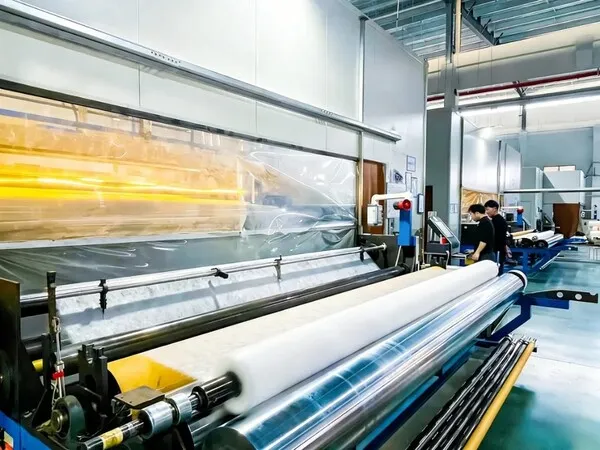
Select by Hot Melt Film Polymer System
The core performance of a hot melt adhesive film originates from its polymer material system. Different chemical systems determine fundamental properties such as bonding strength, temperature range, flexibility, and washability.
| Polymer System | Key Features | Primary Industrial Applications |
| EVA | Fast curing, simple processing, strong initial adhesion, eco-friendly, versatile | Garment lamination, panel bonding, paper bonding, metal/PET plastic bonding |
| TPU | Flexible, wear-resistant, impact-resistant, anti-aging, highly washable | Shoe materials, apparel heat-pressing, fabric bonding, ABS/PVC plastic lamination |
| PES | Dry-clean resistant, high-temperature resistant, excellent adhesion to metals | Conductive fabrics, electronic shielding, metal foil lamination |
| PO | Anti-aging, low corrosiveness, outstanding long-term stability | New energy, automotive, and high-reliability industrial scenarios |
| PA | Exceptional resistance to water washing and dry cleaning | Apparel, leather, textile lamination |
| EAA | Extremely strong adhesion to aluminum foil/metals, acid/alkali resistant | Flexible packaging, underfloor heating, aluminum-plastic film for batteries |
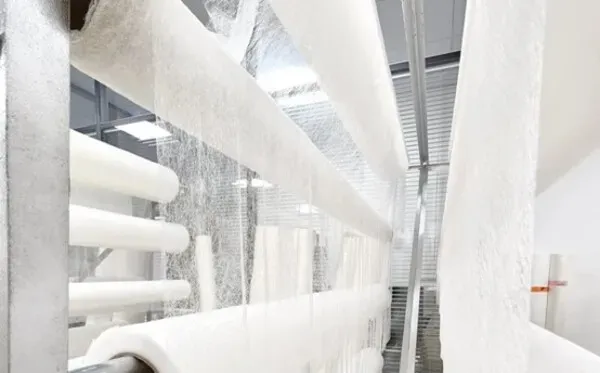
Selection Tip: First, identify your substrate types and operating environment (e.g., exposure to water, solvents, or high temperatures). Matching them with the polymer systems above will help you eliminate 70% of unsuitable options immediately.
Recommended Deep-Dive Article:
If you are specifically working with textiles, embroidered badges, or headwear lamination, check out our practical case study:
📖 Hot Melt Adhesive Film for PVC Patches & Oxford Fabric: The Ultimate Adhesive Guide for Cap Lamination — Learn how to select the right TPU/PES film to prevent delamination on coated fabrics.
Select by Functional Hot Melt Film Options
Once the base polymer system is selected, custom functional formulations may be needed if your application requires specific properties (such as flame retardancy, high transparency, low VOC, or hydrolysis resistance). These customized films are widely used in garments, electronics, new energy, automotive, and medical industries.
| Category | Typical Function | Applicable Scenarios |
| High-Tack Series | High peel strength | Metal, leather, and rigid board lamination |
| Temperature-Resistant | High/low temp resistance, boiling water resistance, heat & humidity aging resistance | Industrial components, automotive interior/exterior, outdoor gear |
| Washable Series | Water wash resistant, dry clean resistant | Apparel, footwear, home textiles |
| Electrical / Electronic | Electrical insulation, flame retardant, conductive/shielding, anti-static | Electronic components, battery packs, wire harness fixing |
| Optical & Appearance | High transparency, low haze, non-bleeding/overflowing | Transparent lamination, decorative panels, optical film sheets |
| Eco-Friendly Series | Low VOC / low odor, bio-based / biodegradable, recyclable, solvent-free, food-grade | Mother & baby products, food packaging, automotive cabin standards |
| Packaging Functions | High barrier, peelable, re-sealable / re-tack | Food packaging, medical packaging, temporary protection |
| Elastic Series | High elasticity, stretchable film | Sportswear, underwear, elastic fabric lamination |
| Waterproof & Breathable | Breathable film, waterproof breathable membrane | Outdoor jackets, protective clothing, footwear |
| Color Customization | Milk white, black, transparent, and custom colors | Aesthetic matching, light-blocking needs |
| Surface Treatment | Perforated / punched mesh film | Facilitates air venting, improves bonding and breathability |
| Hand-feel Adjustment | Ultra-soft film, rigid / stiff film | Garment comfort, structural stiffness for panels |
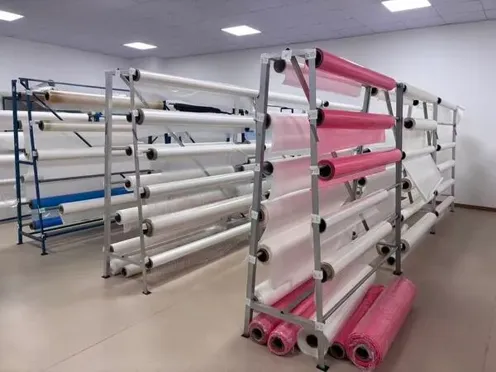
Vomelt | HRS provides functional hot melt adhesive films covering most of the categories above, with custom formulation development available upon request.
Select by Hot Melt Web Mesh vs. PET Carrier Films
The physical structure of the film directly impacts on-machine processing, die-cutting precision, and lamination efficiency.
| Structure Type | Characteristics | Applicable Scenarios |
| Pure Adhesive Film (No Carrier) | 100% adhesive layer, suitable for continuous lamination; requires good web tension control | High-volume continuous lamination production |
| PET-Carrier Hot Melt Film | High dimensional stability, resists deformation, easy to convert/die-cut | Precision bonding, electronics, automotive interiors (Fastest growing category) |
| Hot Melt Adhesive Web / Mesh | Excellent breathability, lightweight, non-woven structure | Apparel, medical dressings, filtration materials |
| Release Liner Supported Film | Easy for die-cutting, positioning, and manual or semi-automated application | Small parts, irregular shape bonding, manual operation |
| Double-Sided Hot Melt Film | Identical or differential adhesive properties on both sides for rapid bonding | Joining two dissimilar materials |
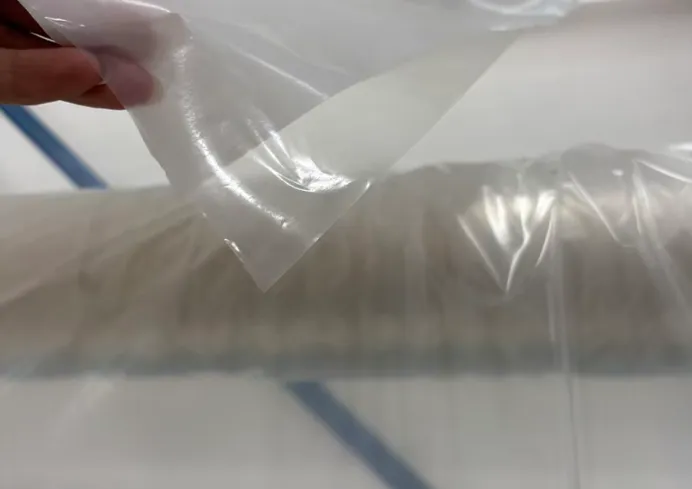
Vomelt | HRS recommends the most compatible substrate structure based on your machinery and process requirements, backed by custom converting capabilities.
Select Application-Specific Hot Melt Adhesive Solutions
Different industries have vastly different requirements for hot melt films. Below are the key selection criteria for representative industries:
| Industry | Typical Application | Key Required Attributes |
| Apparel & Footwear | Seamless underwear, jacket reinforcement, insole/sole lamination | Washable, highly elastic, soft hand-feel |
| Automotive Interiors | Headliners, floor mats, damping material bonding | High temp resistance, waterproof & breathable, flame retardant |
| Electronics | Phone/tablet cases, heating element bonding | Electrical insulation, precise thickness tolerance |
| Building & Furniture | Cabinet surfaces, aluminum honeycomb panel lamination | Ultra-high peel strength, surface flatness |
| Filtration & Industrial | Air/water filter media, photovoltaic backsheets | Chemical resistance, long-term durability |
| Medical Supplies | Protective clothing, medical dressings | Washable, soft & comfortable, biocompatible |
| Home Textiles & Decor | Wall coverings, cosmetic packaging, scroll mounting | Strong initial tack, anti-warping |
| New Energy (EV) | Battery pack protective films, module fixation | Electrical insulation, flame retardant, precision thickness |
| Printing & Packaging | Paper lamination, signage displays | Fast bonding, high transparency, non-curling |
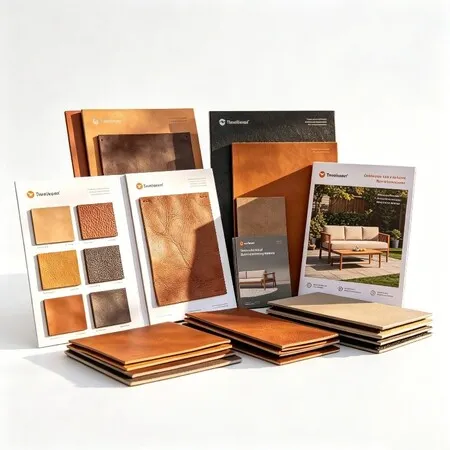
Looking for Industry-Specific Bonding Solutions?
Different industrial applications require specialized processing parameters and adhesive selections. To learn more about how our hot melt films solve real-world production challenges in specific sectors, explore our in-depth guides:
- 🚗 Automotive Interior Lamination: Read our breakdown on What Kind of Adhesive Is Used for Car Floor Mats? to discover high-temperature and flame-retardant adhesive solutions.
- 🧵 Textile & Fabric Bonding: Check out Hot Melt Adhesive Film for Textile Fabric: Complete Industrial Solution for washable and breathable garment lamination tips.
- ⚙️ Process & Machinery Troubleshooting: Having issues with coating uniformity? See Slot Die Coating Defects & How Hot Melt Film Delivers Consistent Quality.
Substrate Bonding Compatibility Chart
If you have already determined the two materials that need to be bonded together, you can refer to the substrate matching guide below:
| Substrate Category | Material Examples |
| Textiles & Fabrics | Non-woven, polyester, nylon, spandex, knitted fabric, fleece, hook-and-loop (Velcro) |
| Leather | Genuine leather, microfiber leather, PU leather, PVC leather, suede |
| Foam & Sponge | Rubber-plastic foam, PU sponge, XPE foam, EVA foam |
| Plastic Films | PET, PVC, PI, PP, PE, TPU, etc. |
| Paper & Cardboard | Printing paper, coated paper, photo paper, corrugated cardboard |
| Rubber | SBR, NBR, EPDM, etc. |
| Metals | Aluminum foil, steel, stainless steel, aluminum sheets, galvanized plates, cold-rolled steel |
| Panels & Wood | Aluminum honeycomb panels, ACP, cabinet boards, glass, ceramics, stone |
| Printed Ink Layers | UV ink, digital printing, solvent-based / water-based / latex ink layers |
| Electronic Functional Layers | Electronic substrates, insulation sheets, EMI shielding materials |
Summary — 3 Steps to Finding the Ideal Hot Melt Film
- Choose the Polymer: Select the chemical system (EVA, TPU, PES, PA, PO, EAA) based on substrate materials and environmental exposure.
- Add Functionality: Apply special modifications (flame retardant, washable, high transparency, low VOC) based on unique process specifications.
- Select the Format: Decide on the structural form (pure adhesive, PET-carrier, web/mesh, release liner, double-sided) based on your lamination equipment.
Frequently Asked Questions
It depends on your breathability and bonding strength requirements:
- Hot Melt Adhesive Film forms a continuous adhesive layer, providing maximum bonding strength and liquid barrier properties. It is ideal for seamless garments, electronics, and structural panel lamination.
- Hot Melt Adhesive Web / Mesh features a porous, non-woven matrix that allows excellent air and moisture permeability while maintaining a soft hand-feel. It is perfect for breathable sportswear, filtration media, and medical textiles.
Yes! We offer free sample rolls or sheets for your lab testing and machine trial runs. Please contact our engineering team with your substrate details, processing temperature, and target application so we can send you the most suitable material grade.
Absolutely. As a direct manufacturer, Vomelt | HRS provides full converting services, including:
- Custom Thickness: Ranging from 0.01mm to 0.5mm.
- Custom Width: Slitting to any specific width up to 1600mm.
- Format Customization: Available as pure adhesive films, PET-backed films, release paper liners, or pre-cut sheets/shapes.
Under recommended storage conditions (cool, dry place below 30°C/86°F, away from direct sunlight), Vomelt | HRS hot melt films typically have a shelf life of 12 to 24 months. Keeping the original moisture-barrier packaging intact ensures optimal thermal bonding performance.
- For Standard Stock Items: Low MOQ starting from 1 roll, with a typical lead time of 3–5 business days.
- For Custom Formulations or Specific Widths: MOQ ranges depending on the polymer system, with a lead time of 7–14 business days for mass production.
Why Choose Vomelt | HRS Hot Melt Film Manufacturer?
- Industry Expertise: Years of deep expertise in hot melt film manufacturing and extrusion coating, ensuring reliable and consistent quality.
- Comprehensive Portfolio: Complete material systems including EVA, TPU, PES, PA, PO, and EAA to meet diverse bonding needs.
- Custom Formulations: Tailored development for flame retardancy, heat resistance, washability, optical clarity, low VOC, and bio-based requirements.
- Agile Sampling: Rapid prototyping, sample testing, and process optimization tailored to your specific substrates and production setup.
- End-to-End Solutions: From R&D to full-scale mass production, we provide one-stop bonding solutions to shorten your sourcing cycle and reduce trial costs.
Still Struggling with Hot Melt Film Selection?
Contact Vomelt | HRS today with details on your substrate types, processing conditions, and performance goals. Our engineering team will recommend the optimal hot melt adhesive film and arrange free sample kits for your trial run.
Vomelt | HRS — Simplifying Bonding, Empowering Your Selection.