
Can EVA Hot Melt Adhesive Web Bond Wood Veneer to MDF?
Wood veneer lamination often uses liquid adhesives such as PVA glue. However, manufacturers looking for a dry, heat-activated bonding process may also evaluate EVA hot melt adhesive web. The key is to match the adhesive structure and pressing conditions to the actual veneer and MDF combination.
Yes, EVA hot melt adhesive web can be evaluated for bonding natural wood veneer to MDF. In a VOMELT sample application, EVA hot melt adhesive web was used to bond wood veneer to an MDF substrate at a pressing temperature of 110°C for 15 seconds. These are the conditions used for this particular sample, not universal production specifications. The suitability of the adhesive depends on the materials, adhesive grade, equipment and required bonding performance.
This article documents the actual VOMELT sample, explains the reported pressing conditions, and outlines what manufacturers should verify before using EVA adhesive web in production.
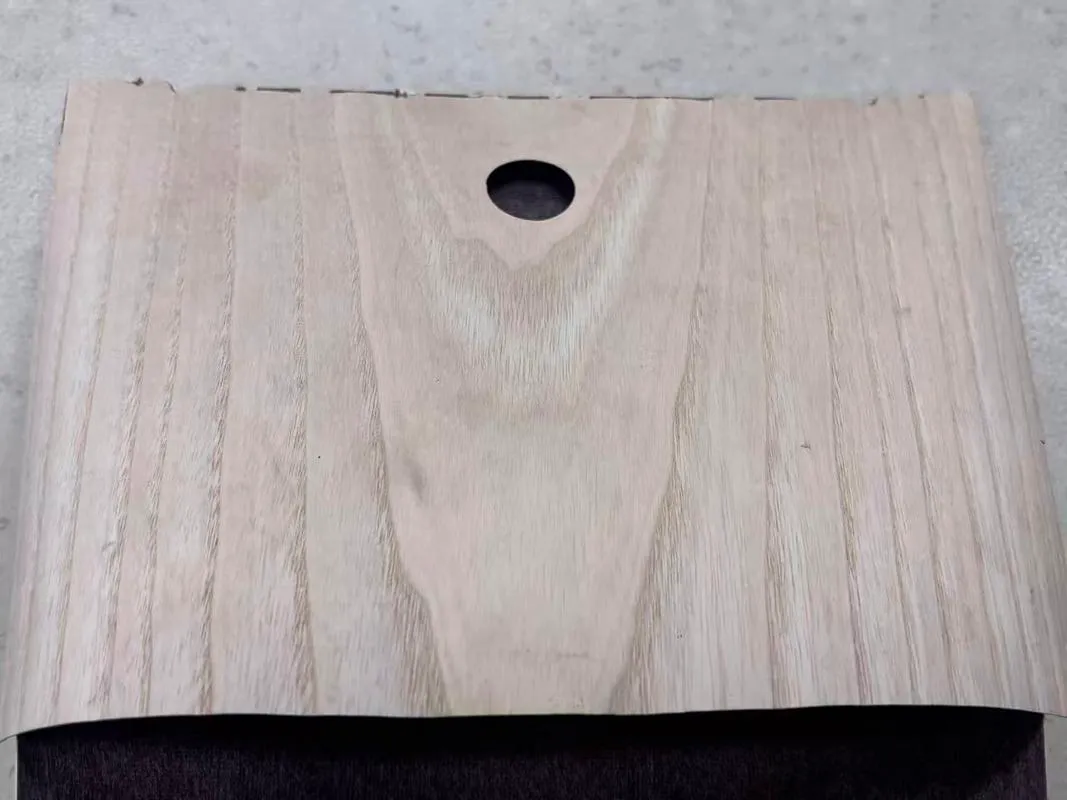
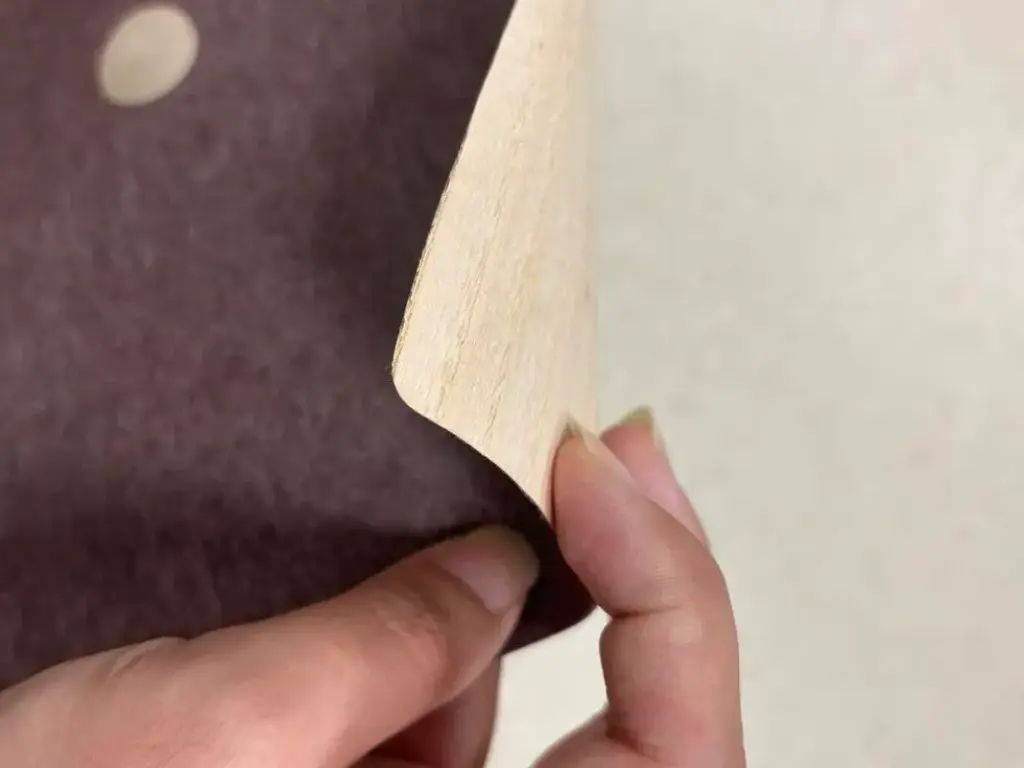
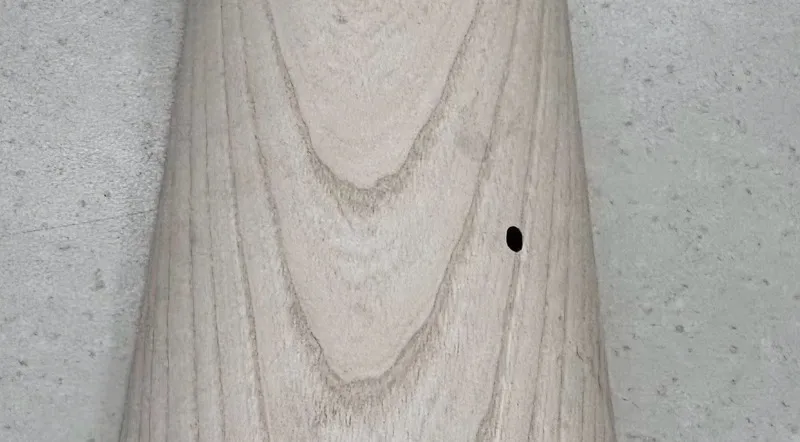
VOMELT Application Case: EVA Hot Melt Adhesive Web for Wood Veneer and MDF
This sample demonstrates the use of EVA hot melt adhesive web in a wood veneer-to-MDF bonding structure. The adhesive web is positioned between the veneer and the MDF substrate and activated by heat during pressing.
| Parameter | Details of the VOMELT Sample |
|---|---|
| Wood surface material | Natural wood veneer |
| Backing substrate | MDF (medium-density fibreboard) |
| Adhesive type | EVA hot melt adhesive web |
| Pressing temperature | 110°C |
| Pressing time | 15 seconds |
| Pressing pressure | Not recorded in the available case details |
The temperature and time above describe this specific VOMELT sample. They should not be treated as a guaranteed process window for every EVA web, veneer species, MDF board or pressing machine.
What Is EVA Hot Melt Adhesive Web?
EVA hot melt adhesive web is a heat-activated adhesive material with an open, web-like structure. It is placed between materials that need to be bonded and activated under suitable processing conditions.
Unlike liquid glue, adhesive web can be positioned as a preformed bonding layer. Its open structure may allow areas of the original material interface to remain unfilled, depending on the web construction, adhesive coverage and lamination process.
However, an open web structure does not automatically guarantee a particular level of breathability, bond strength or durability. These properties must be assessed for the specific adhesive and finished laminate.
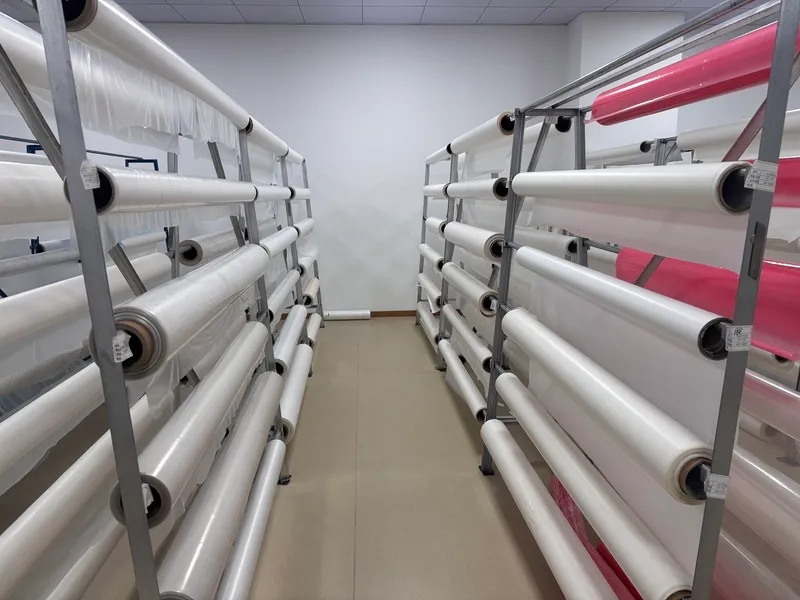
For product details, see our EVA hot melt adhesive web product page.
Why Consider EVA Adhesive Web for Wood Veneer Lamination?
When evaluating EVA hot melt adhesive web for wood veneer and MDF, manufacturers should consider the complete bonding process rather than adhesive chemistry alone.
1. A Preformed Adhesive Layer
The web can be placed between the veneer and MDF before pressing. This gives manufacturers a defined adhesive format to evaluate as an alternative to applying liquid glue.
2. Heat-Activated Bonding
The adhesive must reach a suitable activation state during pressing. The platen temperature alone does not establish the temperature reached at the adhesive interface, so the actual equipment and material stack should be considered.
3. An Alternative to Liquid Glue Application
Using a preformed adhesive web may reduce the need for liquid glue coating and wet-adhesive handling in a suitable production process. Whether it improves productivity or cost depends on the existing workflow, material consumption, cycle time and equipment.
4. Compatibility Must Be Verified
Wood species, veneer thickness, MDF surface quality, adhesive formulation, web weight and pressing conditions can all affect the final result. A successful sample is a useful starting point, but it does not establish suitability for every production requirement.
What Pressing Conditions Should You Use for EVA Adhesive Web?
In the VOMELT sample described above, the EVA hot melt adhesive web was pressed at 110°C for 15 seconds. Manufacturers can use these recorded conditions as a reference when discussing a similar material combination with VOMELT.
| Process parameter | VOMELT sample reference | What to verify in a new trial |
|---|---|---|
| Temperature | 110°C | Adhesive activation and the heat tolerance of the veneer and MDF |
| Pressing time | 15 seconds | Whether the adhesive develops sufficient bonding across the actual material stack |
| Pressure | Not recorded | Uniform contact without damaging or distorting the veneer |
| Cooling and handling | Not recorded | Whether the laminate needs to remain supported while the bond stabilizes |
Important: Do not assume that 110°C and 15 seconds will work for every EVA adhesive web. Confirm the recommended conditions for the exact grade and test the complete veneer/MDF structure before moving to production.
Can EVA Hot Melt Adhesive Web Replace PVA Glue?
EVA hot melt adhesive web can be evaluated as an alternative to PVA glue when a manufacturer wants to investigate a dry, heat-activated bonding process. However, it is not an automatic one-for-one replacement for every woodworking adhesive.
| Consideration | EVA Hot Melt Adhesive Web | PVA Glue |
|---|---|---|
| Physical form | Preformed, open web structure | Liquid adhesive |
| Application | Placed between the materials | Applied to the bonding surface |
| Bonding process | Heat activation and suitable pressure | Depends on the PVA formulation and specified process |
| Wet glue handling | Not required in the same form | Required during liquid application |
| Equipment compatibility | Requires a suitable heat-lamination process | May fit existing woodworking equipment |
| Production suitability | Must be validated for the actual laminate | Must meet the existing process and finished-product requirements |
The right choice depends on the existing production line, the materials being bonded, the required surface appearance and the finished panel’s heat, moisture and durability requirements.
How to Evaluate EVA Adhesive Web for Wood Veneer and MDF
Before changing from PVA or another adhesive, we recommend evaluating the actual production materials in a controlled trial.
- Identify the materials. Record the wood species, veneer thickness, MDF type and surface condition.
- Confirm the adhesive grade. Check that the EVA hot melt adhesive web is intended for the proposed bonding application.
- Review the press. Confirm the available temperature, pressure control, platen condition and heating method.
- Start with a controlled trial. Use the documented 110°C and 15-second VOMELT sample conditions as a reference for discussion, not as a universal specification.
- Inspect the sample. Check for incomplete bonding, edge lifting, bubbles, veneer distortion and visible adhesive marks.
- Validate the end-use requirements. Test the bond under the heat, moisture and service conditions relevant to the finished product.
For additional substrate-selection guidance, see our hot melt adhesive guide for wood materials.
Frequently Asked Questions
Can EVA hot melt adhesive web bond wood veneer to MDF?
It can be evaluated for this application. VOMELT has a sample using EVA hot melt adhesive web between natural wood veneer and MDF, pressed at 110°C for 15 seconds. The suitability of a new project depends on the adhesive grade, materials, equipment and required performance.
What temperature and pressing time did VOMELT use?
The documented VOMELT sample used a pressing temperature of 110°C and a pressing time of 15 seconds. Pressure was not recorded in the available case details. These conditions describe this sample only and should not be treated as universal processing specifications.
Can EVA adhesive web replace PVA glue for wood veneer?
EVA hot melt adhesive web may be a suitable alternative for some processes where a preformed, heat-activated adhesive layer is preferred. The complete veneer and substrate combination must be tested before production use.
Is EVA hot melt adhesive web suitable for every type of MDF?
No universal compatibility should be assumed. MDF surface quality, veneer species, surface treatments, adhesive grade and pressing conditions can affect bonding. The actual materials should be evaluated together.
What information should I provide when requesting an EVA adhesive web sample?
Provide the veneer material and thickness, MDF type, pressing equipment, available temperature and pressure settings, desired cycle time, intended end use and expected order volume. These details help determine an appropriate material for initial testing.
Request an EVA Hot Melt Adhesive Web Sample from VOMELT
If you are evaluating EVA hot melt adhesive web for natural wood veneer, MDF or another lamination structure, share your material combination and processing requirements with our team.
VOMELT can help you review the available adhesive web options and identify a suitable starting point for sample testing. Final selection should be based on the exact materials, processing conditions and performance requirements.
Explore our EVA hot melt adhesive web products or contact VOMELT to discuss your application.