
Introduction to Heat Activated Adhesives: The Complete Industrial Guide
In modern manufacturing, traditional liquid adhesives and solvent-based bonding methods are rapidly being replaced due to increasing environmental regulations, VOC restrictions, and the demand for higher automation efficiency.
As production lines evolve toward cleaner and more controlled processes, heat activated adhesives have become a critical solution for industrial bonding applications across automotive, textile, footwear, and electronics industries.
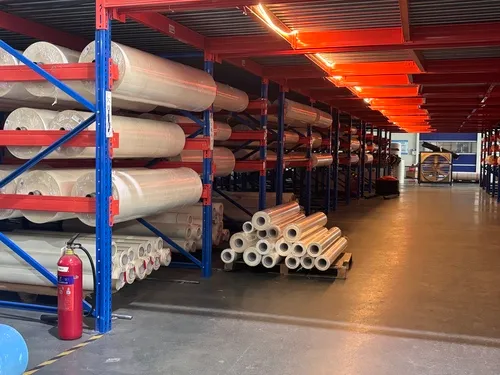
Among all available formats, one solution has become the most widely adopted in modern automated manufacturing:
Hot-Melt Adhesive Film is currently the most stable, scalable, and production-friendly form of heat activated adhesive.
This guide explains how heat activated adhesives work, what types exist, and why hot-melt adhesive film has become the preferred solution for industrial lamination systems.
What is a Heat Activated Adhesive?
A heat activated adhesive is a solid-state polymer bonding material that remains completely dry and non-tacky at room temperature.
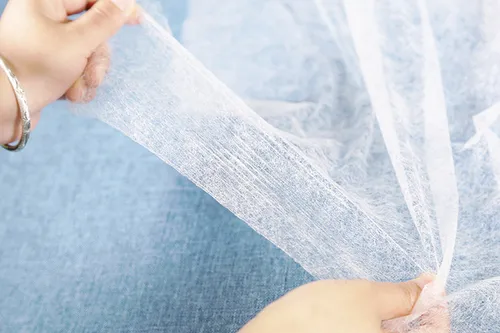
- Stable during handling and cutting
- Activated only under heat and pressure
- Solidifies again to form a permanent bond after cooling
How It Works: From Solid Film to Permanent Bond
- Activation (Melting Phase)
The adhesive is placed between two substrates and heated above its melting point. It transforms into a controlled viscous state. - Wetting (Penetration Phase)
Under pressure, the molten polymer flows into microscopic pores and fiber structures of the materials. - Solidification (Locking Phase)
Once cooled, the polymer re-crystallizes into a solid layer, forming a permanent structural bond.
👉 This process eliminates the variability found in liquid glue systems.
Why Hot-Melt Adhesive Film Leads the Industry
Heat activated adhesives are available in several industrial formats, but their performance and consistency vary significantly.
Hot-Melt Adhesive Film (Most Recommended Solution)
Hot-melt adhesive film is a fully solid, uniform polymer sheet designed for high-precision industrial lamination.
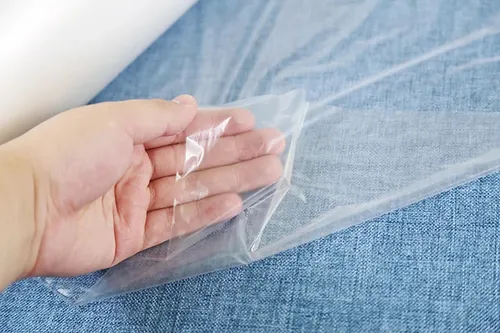
- Key advantages:
- Uniform thickness across entire bonding area
- Zero glue migration or uneven coating
- Excellent stability in automated production lines
- Strong peel strength and long-term durability
- Clean, solvent-free processing
👉 Because of these characteristics, hot-melt adhesive film has become the preferred choice for automotive interiors, textiles, leather goods, and technical composites.
Hot-Melt Adhesive Web
A mesh-like structure with open pores designed for lightweight fabrics.
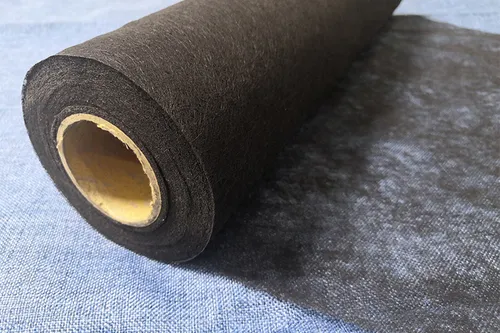
Characteristics:
- Good breathability
- Soft hand feel retention
- Lower structural strength compared to film
👉 Typically used in apparel and lightweight textile bonding.
Heat Activated Tape
Pre-cut narrow adhesive formats designed for edge sealing and reinforcement.
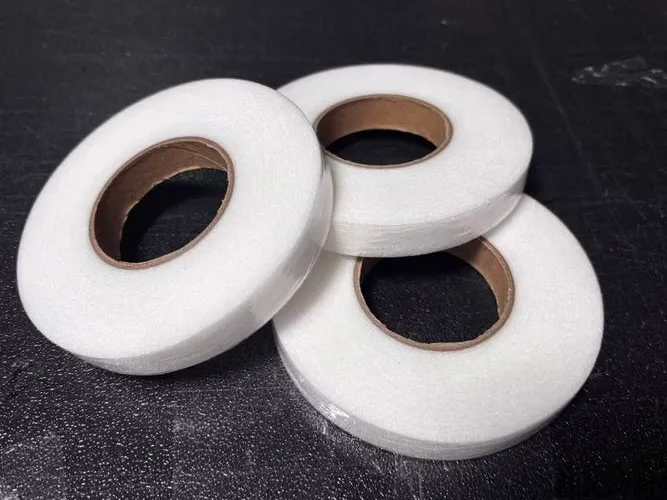
Used for:
- Seam sealing
- Hem reinforcement
- Waterproof joints
Heat Activated Powder
Granular adhesive form applied by scattering.
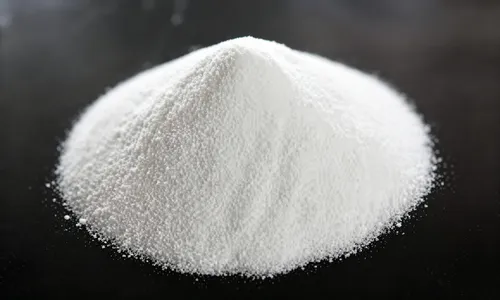
Limitations:
- Difficult to control uniformity
- Lower automation compatibility
- Increasingly replaced by adhesive films
Guide to Selecting Hot-Melt Adhesive Films
Different polymers are engineered for different surface energies. Selecting the correct type is critical for bonding stability.
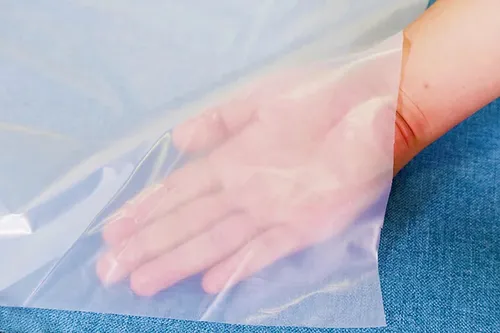
PES (Polyester) Hot-Melt Adhesive Films
Best for: polyester fabrics, textiles, PVC, metals
→ High rigidity and wash resistance
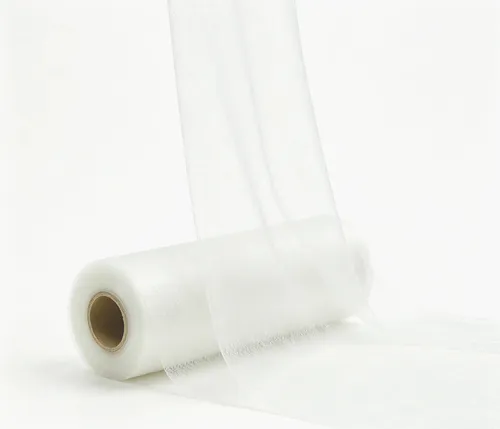
PA (Polyamide) Hot-Melt Adhesive Films
Best for: nylon, cotton, leather, wood
→ High heat and chemical resistance
TPU (Polyurethane) Hot-Melt Adhesive Films
Best for: elastic fabrics, PU foam, TPE, synthetic leather
→ High flexibility and elongation
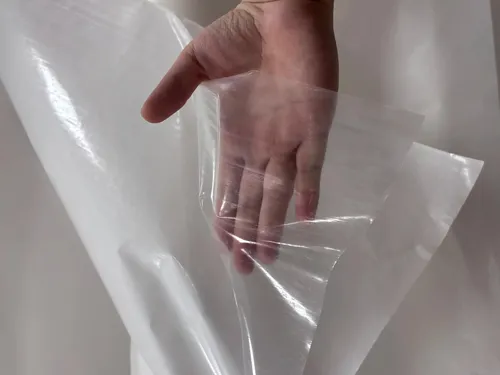
EVA / PO (Polyolefin) Hot-Melt Adhesive Films
Best for: foam materials, PP plastics, packaging substrates
→ Low activation temperature and cost efficiency
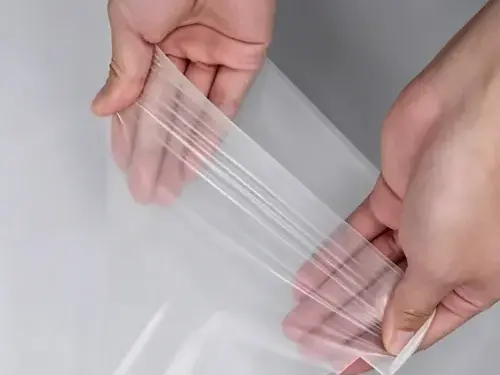
Why Hot-Melt Adhesive Film is Becoming the Industry Standard
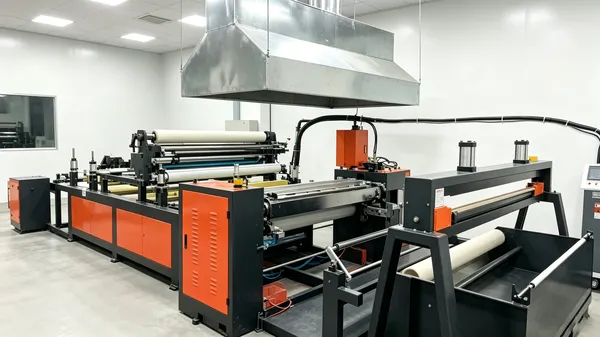
Compared with other adhesive formats, hot-melt adhesive film delivers clear production advantages:
- Stable Mass Production Quality
Eliminates inconsistency caused by manual spraying or uneven coating. - Higher Automation Compatibility
Works seamlessly with heat presses, laminators, and roller systems. - Cleaner Manufacturing Environment
No solvents, no odor, no VOC emissions. - Reduced Production Defects
Minimizes issues such as:
• glue overflow
• weak bonding zones
• delamination after cooling - Better Cost Efficiency at Scale
Reduces labor dependency and rework rates in large-scale production.
Heat Activated Adhesive Applications Across Industries
Hot-melt adhesive film is widely used in:
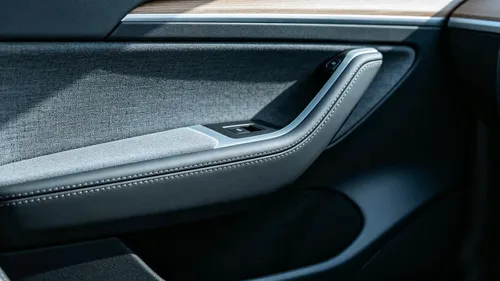
Automotive Interiors
- floor mats
- trunk liners
- roof panels
- door insulation layers
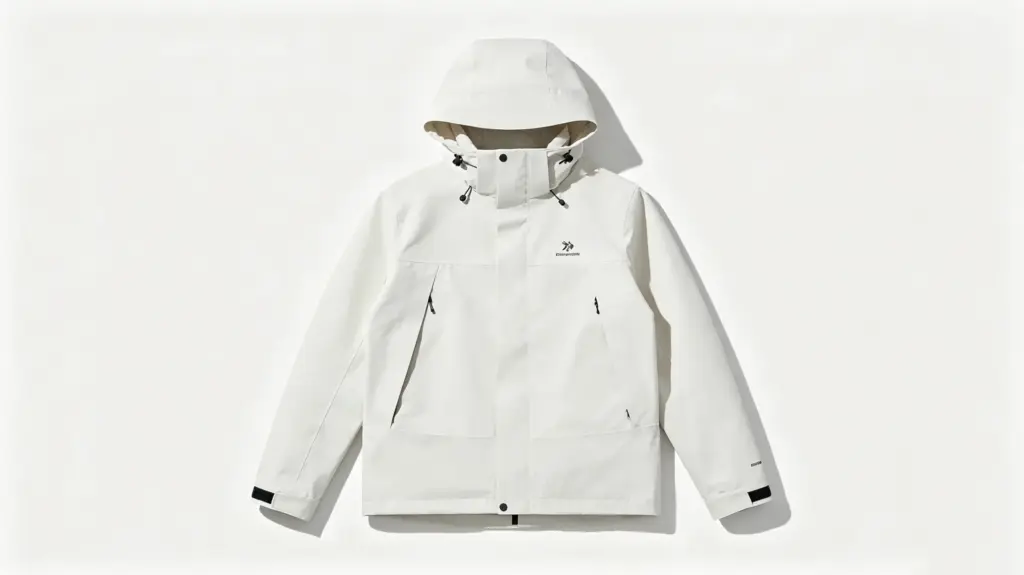
Textile & Apparel
- seamless garments
- waterproof jackets
- embroidery bonding
- heat transfer labels
Footwear & Leather Goods
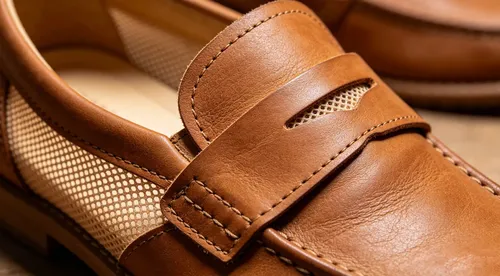
- shoe uppers
- insoles
- leather composites
Industrial Materials
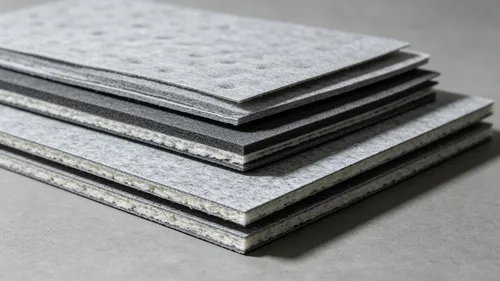
- protective linings
- acoustic foam bonding
- composite insulation layers
Internal Guide to Hot-Melt Adhesive Film Processing
To fully understand how to apply heat activated adhesives in production, three key factors must be mastered:
- Processing method (with or without release liner)
- Equipment selection (press, laminator, roller system)
- Process parameters (temperature, pressure, time)
👉 For a full step-by-step manufacturing guide, refer to:
How to Use Hot-Melt Adhesive Film: A Complete Industrial Guide
Frequently Asked Questions (FAQs)
Hot-melt adhesive film is a solid, pre-formed polymer layer that activates under heat and pressure, while liquid glue requires spraying, drying, and chemical curing.
Poor bonding is usually caused by one or more of the following:
- insufficient temperature
- low pressure during lamination
- short pressing time
- incorrect adhesive type for the material
👉 In most cases, increasing heat and ensuring full surface contact significantly improves bonding strength.
Yes. Hot-melt adhesive film is specifically designed for cross-material bonding, such as:
- fabric to foam
- textile to plastic
- leather to composite materials
- foam to PVC or TPE
However, correct material matching is essential to ensure long-term stability.
Depending on production scale, common equipment includes:
- industrial iron (small-scale use)
- flat heat press (sampling and small batches)
- flatbed laminator (medium production)
- roller laminator (mass production)
👉 Industrial production typically uses heat presses or laminating machines for stable results.
Yes. Industrial-grade hot-melt adhesive films are widely used in automotive interiors, including:
- floor mats
- trunk liners
- roof panels
They are designed to withstand high cabin temperatures without melting or delaminating.
Conclusion
Heat activated adhesives are replacing traditional bonding methods across global manufacturing industries.
However, among all available formats, hot-melt adhesive film stands out as the most reliable, scalable, and automation-friendly solution for industrial production.
It offers:
- stronger consistency
- cleaner processes
- higher automation compatibility
- better long-term durability
If you are upgrading your production line or replacing liquid adhesive systems, hot-melt adhesive film is currently the most efficient solution available for modern manufacturing.
Contact us now to request samples and a custom bonding solution.