
Hot Melt Adhesive Film for PVC Patches & Oxford Fabric: The Ultimate Adhesive Guide for Cap Lamination
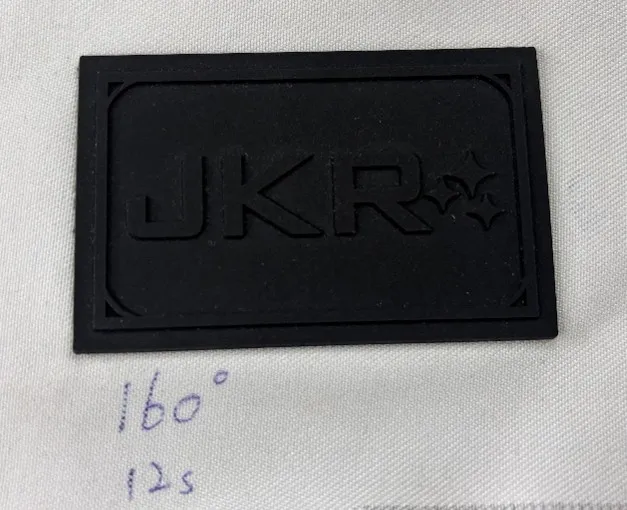
PVC patch bonding on Oxford fabric requires precise heat control during production. If the temperature is too high, the PVC patch may deform or turn white. If the temperature is too low, bonding strength will be weak.
Hot melt adhesive film is an industrial bonding material that activates under heat, providing a clean, stable, and efficient solution for textile lamination without damaging heat-sensitive PVC materials.
What Is the Main Challenge in Bonding PVC Patches to Oxford Fabric?
The main challenge is heat balance—enough temperature is required to bond thick Oxford fabric, but excessive heat can damage PVC patches.
Why Oxford Fabric Requires Higher Heat
Oxford fabric has a dense woven structure. Heat is needed to fully activate the adhesive so it can penetrate into the fibers and create a strong bond.
Technical Reference Table 1
| Parameter | Recommended Range |
| Bonding Temperature | 120–160°C |
| Pressure | 2–5 bar |
| Dwell Time | 8–15 sec |
Why PVC Material Is Heat Sensitive
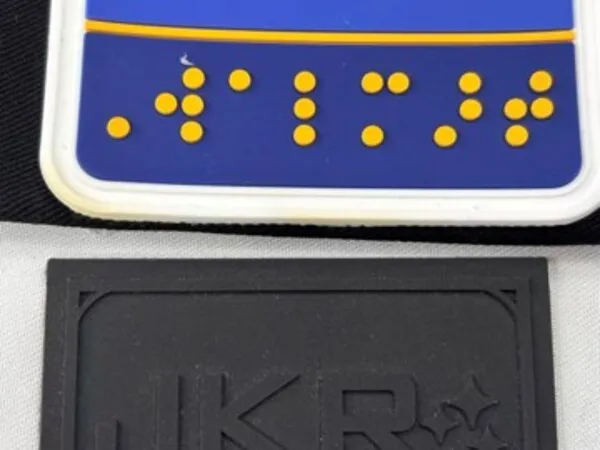
PVC materials may show defects under excessive heat, such as:
- Whitening or haze
- Shrinking or deformation
- Edge warping
- Surface gloss loss
What Production Risks Are Caused by Wrong Temperature Control?
Incorrect processing conditions may lead to:
- High rejection rate
- Increased rework cost
- Lower product quality consistency
Why Use Hot Melt Adhesive Film Instead of Liquid Glue?
Hot melt adhesive film provides cleaner production, more stable bonding performance, and better durability compared to liquid glue.
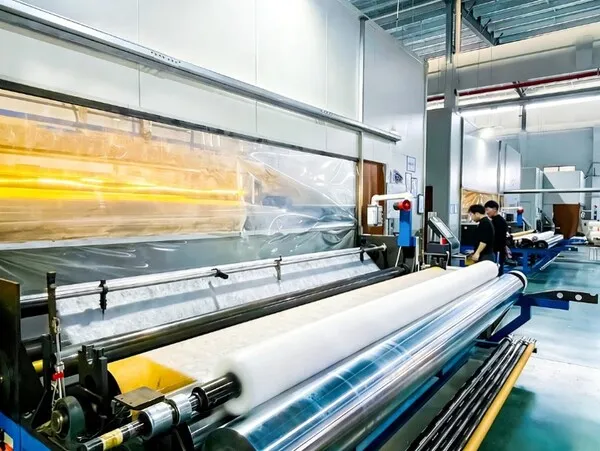
Cleaner Production Environment
- No glue leakage
- No fabric contamination
- No solvent odor
- Cleaner production line
More Stable Bonding Quality
- Uniform film thickness
- Consistent bonding strength
- Batch-to-batch stability
Better Protection for PVC Material
Shorter heat exposure helps reduce the risk of PVC damage during production.
Comparison Table 2
| Item | Liquid Glue | Hot Melt Film |
| Cleanliness | Low | High |
| Stability | Unstable | Stable |
| Production Speed | Slow | Fast |
| PVC Safety | Risky | Safe |
How to Choose the Right Hot Melt Adhesive Film?
Selection depends on processing temperature, fabric type, and durability requirements. For a broader comparison based on PVC type, second substrate, and adhesive form, see our hot melt adhesive film and web guide for PVC bonding.
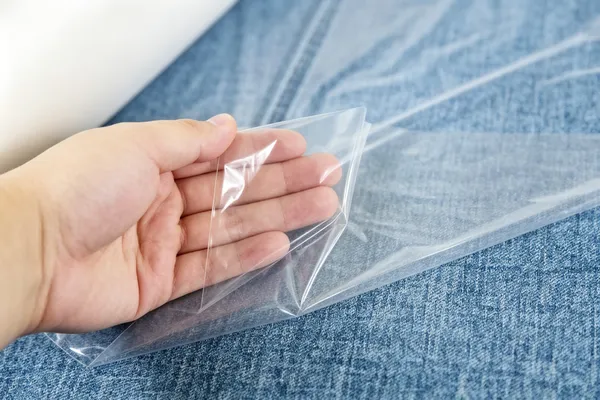
XJU120
- High bonding strength
- Suitable for industrial cap production
XJA120
- High durability
- Ideal for outdoor textile applications
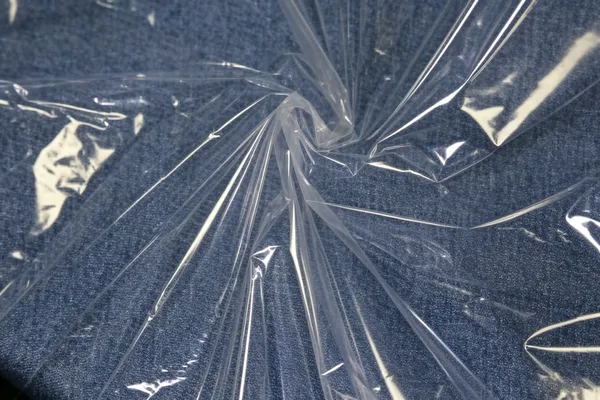
XJS130
- Low activation temperature
- Designed for heat-sensitive materials like PVC
Product Comparison Table 3
| Model | Activation Temp | Best Application |
| XJU120 | High | Industrial caps |
| XJA120 | High | Outdoor products |
| XJS130 | Low | PVC protection |
How Does Melt Flow Rate (MFR) Affect Bonding Quality?
Lower MFR reduces flow and helps prevent adhesive overflow, while higher MFR increases the risk of edge leakage.
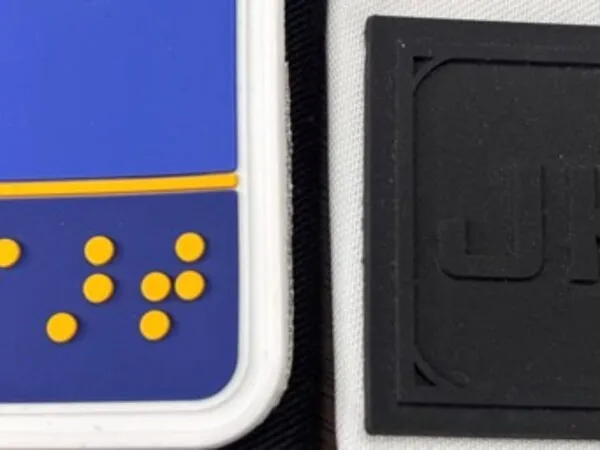
High MFR Behavior
- Excessive flow during heating
- Edge overflow
- Visible glue marks
Low MFR Behavior
- Controlled flow
- Clean bonding edges
- Better appearance quality
Technical Table 4
| MFR Level | Result |
| High | Risk of overflow |
| Low | Clean and stable bonding |
Standard Operating Procedure (SOP) for PVC Patch Bonding
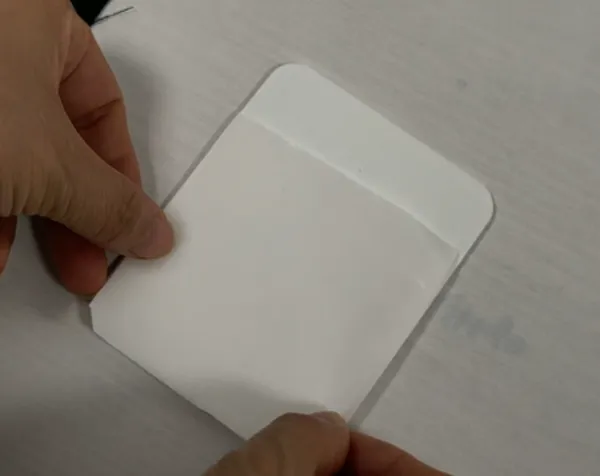
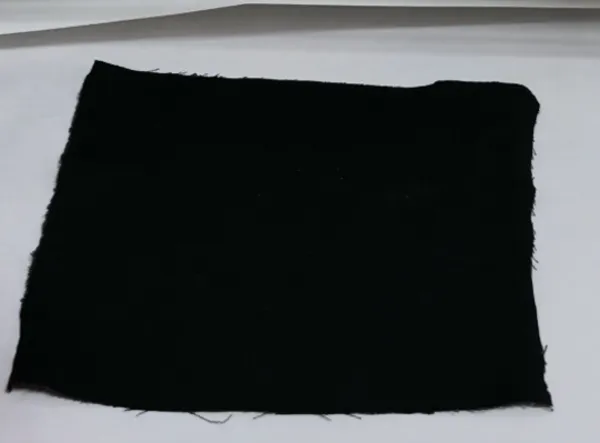
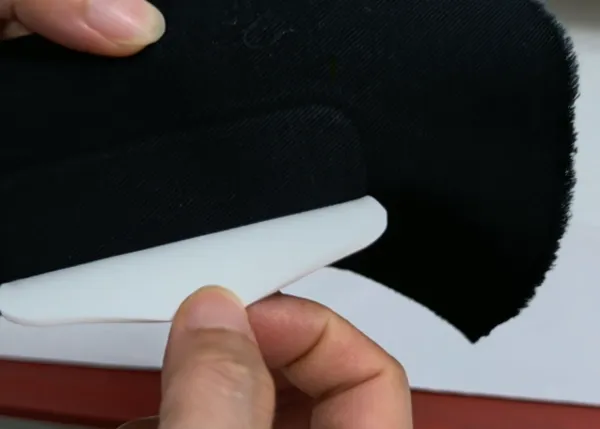
The correct process is a two-stage method: pre-lamination followed by final heat pressing.Below, we’ll walk you through the process with detailed illustrations. You can also watch the tutorial video.
Step 1: Material Preparation
Ensure fabric is clean, dry, and free from oil or dust.

Step 2: Pre-Lamination of Adhesive Film and PVC Patch
Apply hot melt adhesive film to the back of the PVC patch for initial bonding.
Step 3: Heat Press Bonding Process
Core Process Table 5
| Parameter | Standard Value |
| Temperature | 120–160°C |
| Pressure | 2–5 bar |
| Time | 8–15 sec |
Step 4: Cooling and Quality Inspection
Allow cooling before testing bonding strength and surface quality.
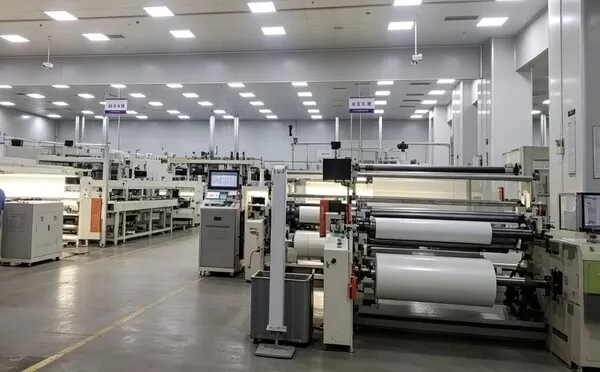
Why Is the Industry Switching from Liquid Glue to Hot Melt Film?
Because hot melt adhesive film improves efficiency, cleanliness, and bonding stability while reducing production defects.
Summary Comparison Table 6
| Factor | Liquid Glue | Hot Melt Film |
| Stability | Low | High |
| Cleanliness | Poor | Excellent |
| Efficiency | Low | High |
Frequently Asked Questions (FAQ)
Yes, industrial-grade products can withstand multiple washing cycles when properly applied.
Yes, but correct model selection is required.
Yes, it is fully compatible with automated lamination and pressing systems.
Final Conclusion
Hot melt adhesive film is the most reliable industrial bonding solution for PVC patch bonding on Oxford fabric.
It helps manufacturers achieve:
- Cleaner production
- Higher bonding stability
- Lower defect rates
- Better export durability