
Products
Recommended Materials
Request a Sample
Get factory-direct adhesive solutions tailored to your industrial needs.
Email: vomeltsales@163.com | Phone: +86 17712662793
No. 36 Zhonglu Development Zone, Pingwang Town, Wujiang District, Suzhou City, Jiangsu Province
Product Core Performance Parameters
Defining application boundaries, production process parameters, service life, and quality stability. Vomelt’s full range of hot melt products uses six core technical indicators as quality criteria to ensure seamless bonding, weather adaptability, and washing durability.
Six Core Performance Indicators
All performance data are calibrated according to national and international standards. Batch stability is strong, and test reports are traceable.
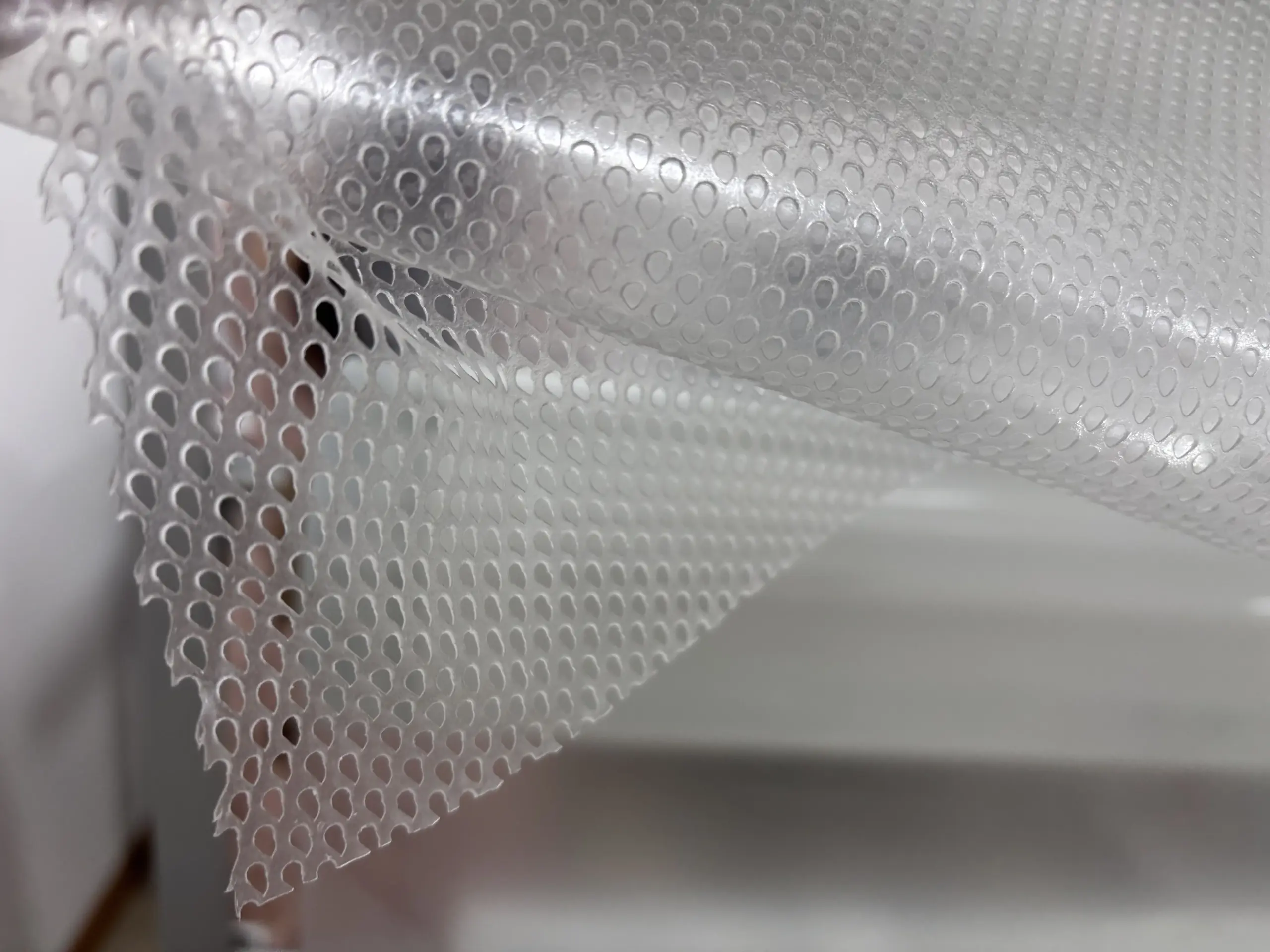
Breathability
Determines wearing dryness, sweat wicking, and anti-mugginess. Achieved through structure (web, textured film, dot film).
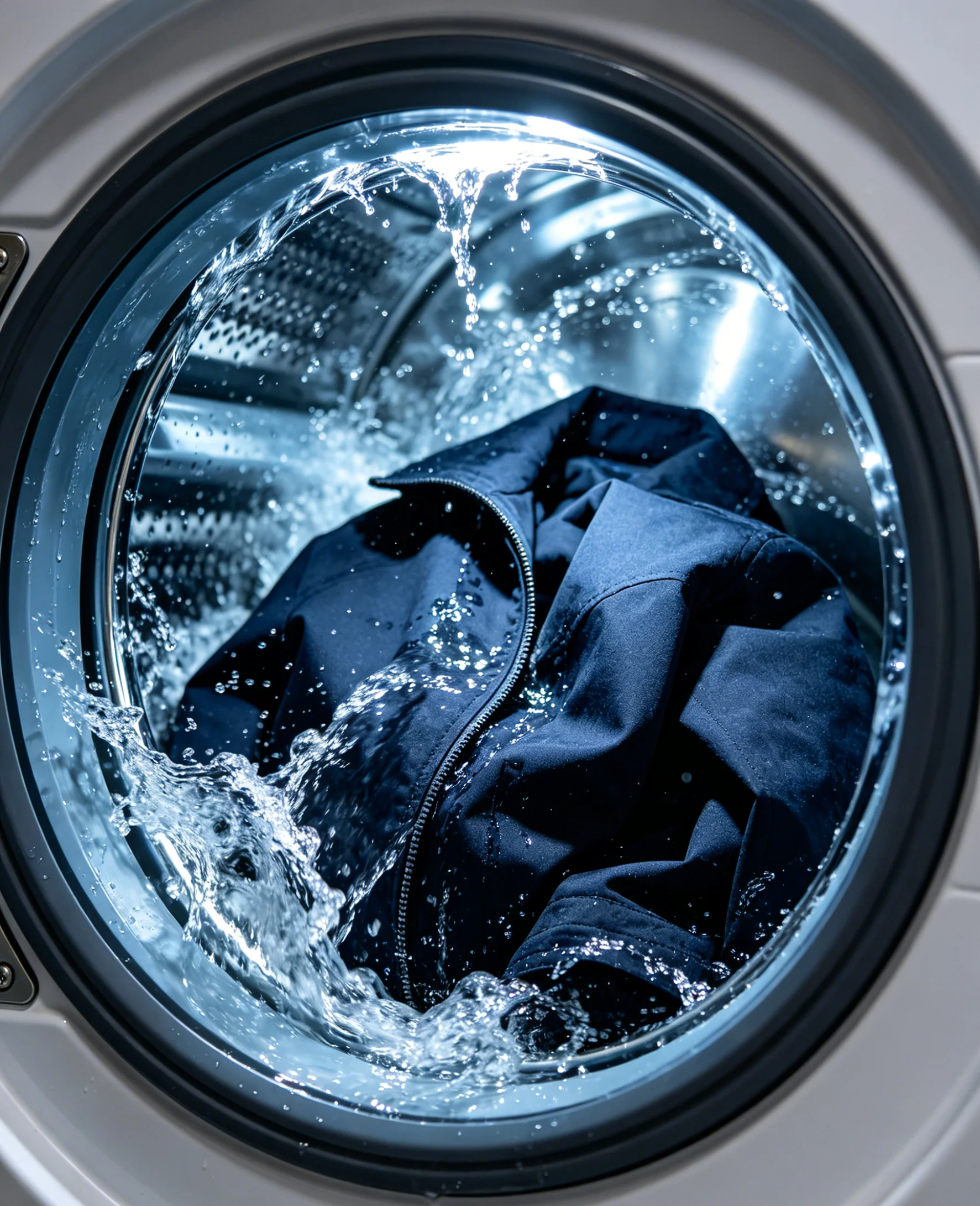
Washing Resistance
Core durability indicator. Quantifies resistance to hydrolysis, delamination, and debonding under various washing conditions.
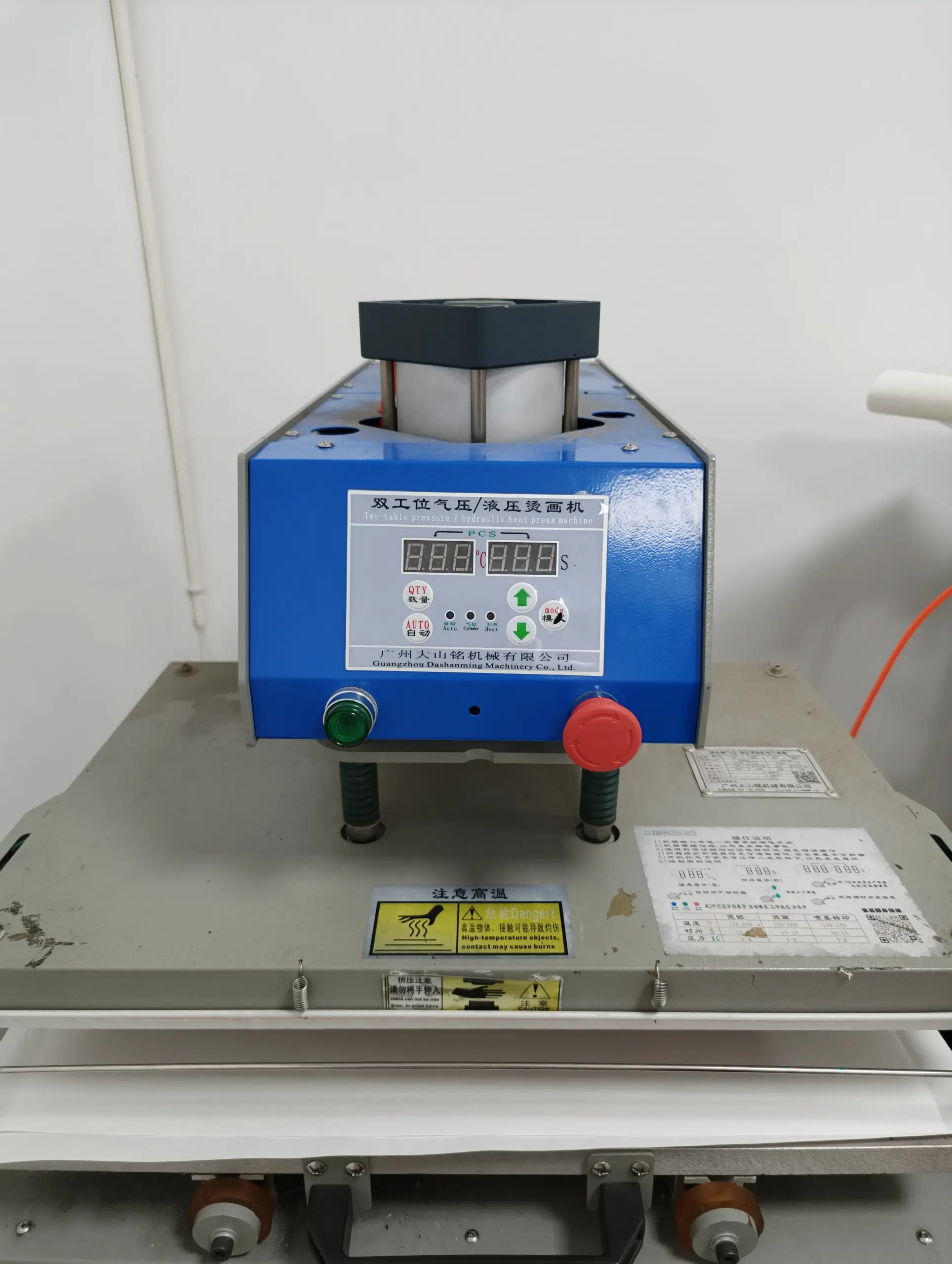
Melting Range
Core process parameter. Affects bond strength and process defects. Wider range means higher production tolerance.
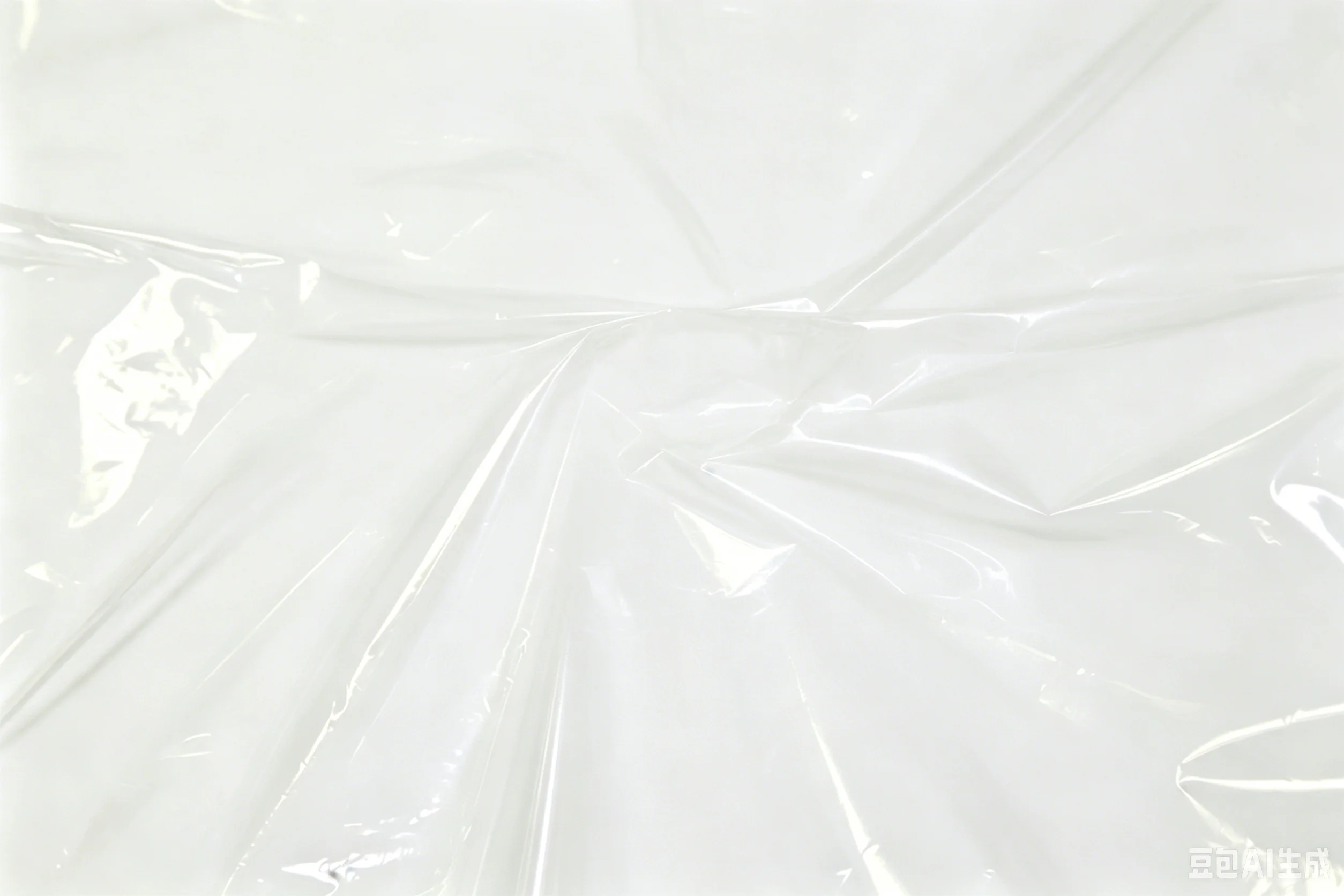
Transparency / Clarity
Evaluates light transmittance, haze, and bonding flatness. Key for light-colored fabrics, mesh, and luxury apparel.
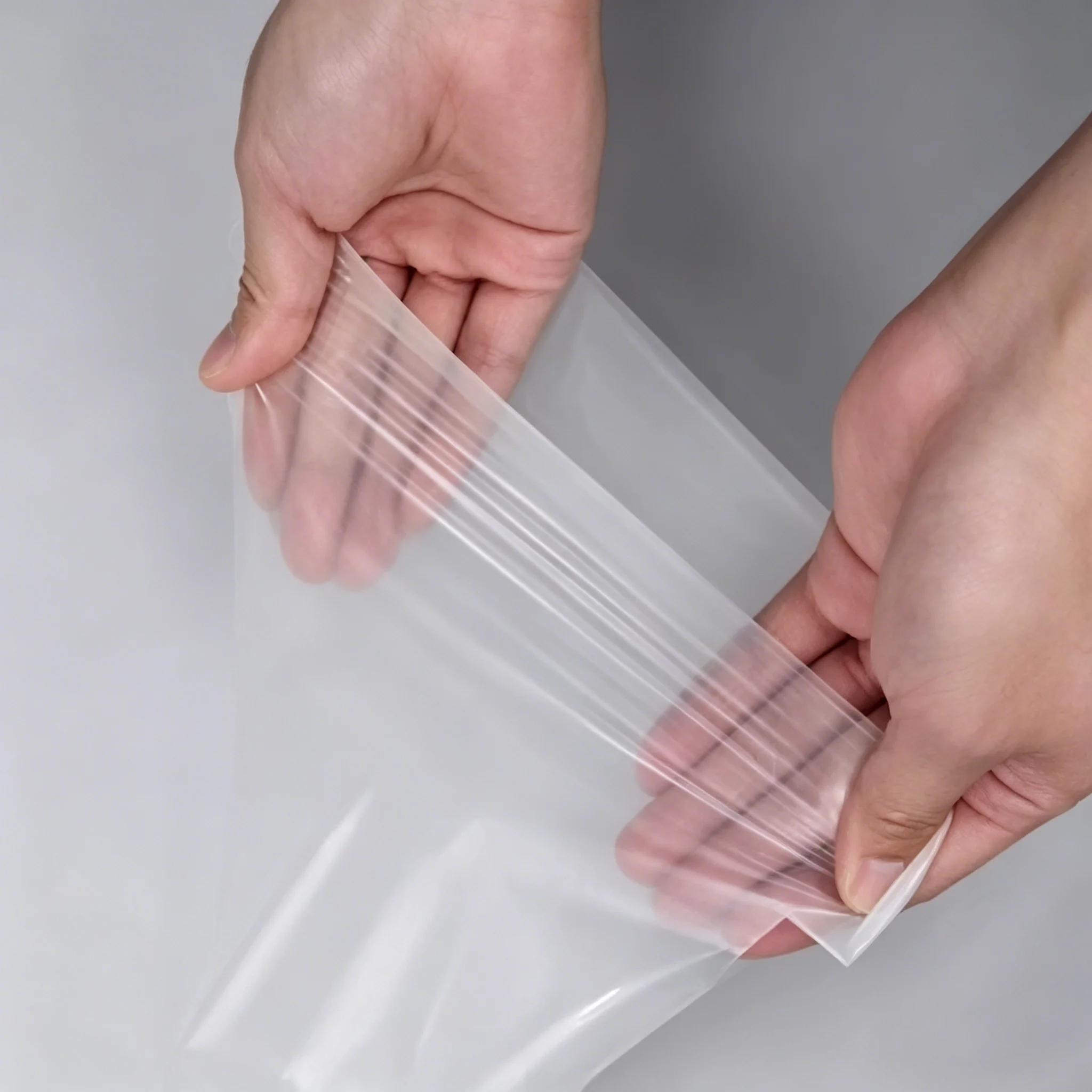
Elasticity / Recovery
Determines wearing comfort, wrinkle resistance, and shape retention. High-rebound materials leave no residual deformation.
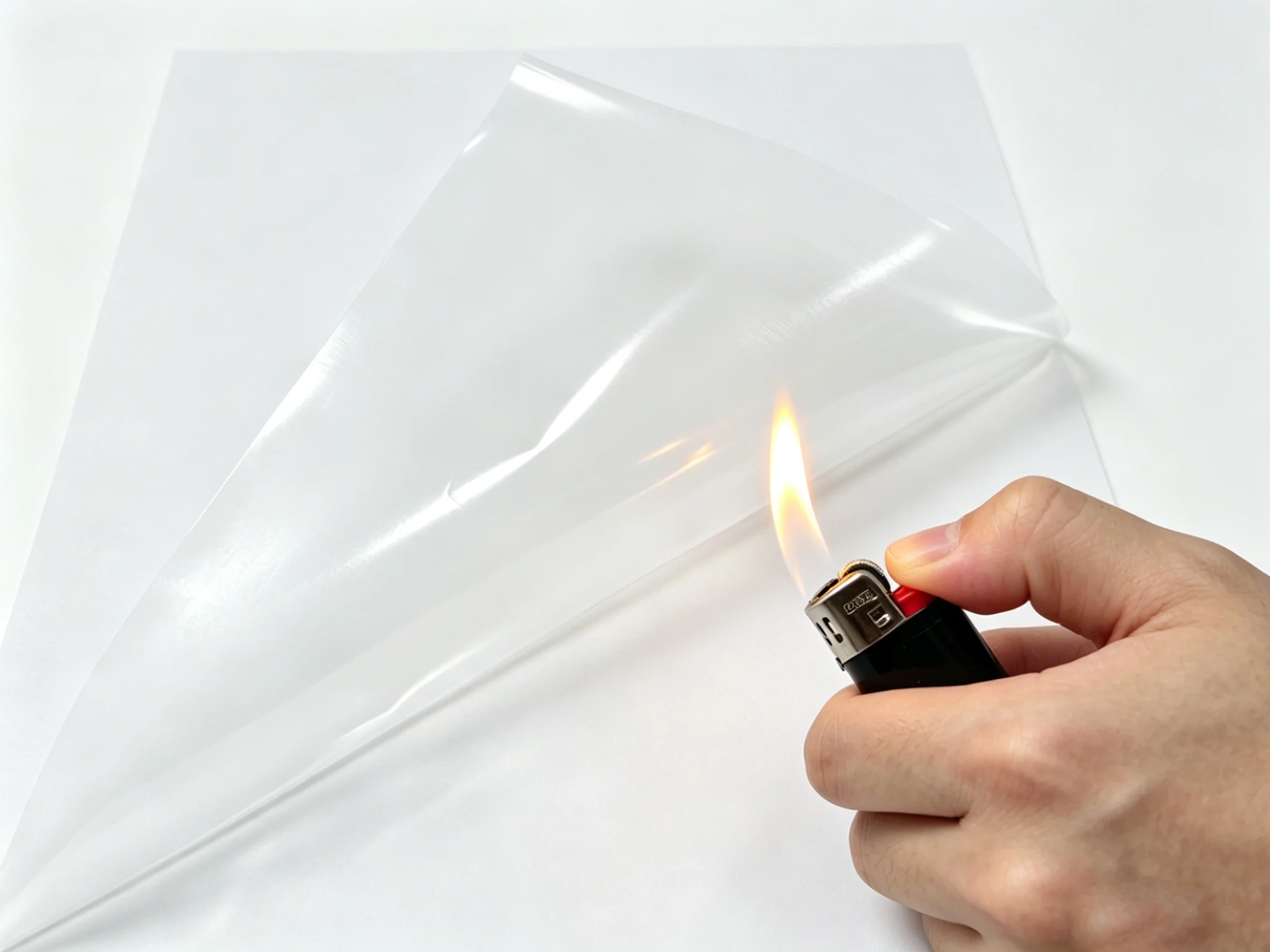
Temperature Resistance
Core indicator for outdoor products. Evaluates resistance to softening, debonding, and brittle fracture under extremes.
Complete Product Line Performance Comparison
Standardized star rating based on laboratory conditions (23℃, 50% relative humidity). Use directly for product selection and production parameter setting.
| Product Name | Elasticity | Temperature Range | Transparency | Washing Resistance | Melting Range | Breathability | Performance Overview |
|---|---|---|---|---|---|---|---|
| TPU Film | ★★★★★ High elastic |
-20℃ ~ 85℃ Wide, stable |
★★★★★ Ultra-clear seamless |
★★★★★ Universal high/low |
95℃ ~ 145℃ | ★ Non-breathable |
Balanced performance, soft bonding, seamless, washable, excellent recovery. Highly universal. |
| TPE Film | ★★★★★ Ultra-high recovery |
-22℃ ~ 95℃ Best low-temp |
★★★★★ Matte high-clarity |
★★★★★ >500 wash cycles |
115℃ ~ 130℃ | ★★★★★ Optional textured |
High-end skin-friendly, soft, breathable, dry, weather & wash resistant. For luxury functional products. |
| PA Film | ★ Rigid non-elastic |
-15℃ ~ 110℃ High-temp resistant |
★★★ Semi-transparent |
★★★★★ High-temp/Dry clean |
120℃ ~ 140℃ | ★ Non-breathable |
Excellent shaping and crispness. High durability in washing. Suitable for formal wear, collars. |
| PES Film | ★ Rigid non-elastic |
-12℃ ~ 120℃ Extreme high-temp |
★★★ Semi-transparent |
★★★★★ Chemical wash resistant |
130℃ ~ 150℃ | ★ Non-breathable |
Industry benchmark for durability. Resists exposure, aging, chemicals. For outdoor high-temp. |
| EVA Film | ★★ Low-elastic |
-10℃ ~ 65℃ Narrow range |
★★★ Milky semi-transparent |
★★ Cold water only |
85℃ ~ 105℃ | ★ Non-breathable |
High cost-effectiveness. Room-temperature, static, low-frequency washing only. |
| PO/EAA Film | ★★★ Medium elastic |
-15℃ ~ 75℃ Medium range |
★★ Hazy |
★★★ General wash |
90℃ ~ 110℃ | ★ Non-breathable |
Special adhesion material. Excellent for non-textile substrates (metal, plastic, leather). |
| PA Web | ★ Rigid non-elastic |
-15℃ ~ 105℃ High-temp stable |
★ Grid matte |
★★★★ Stable shaping |
120℃ ~ 140℃ | ★★★★★ High breathability |
Balances breathability and shaping. No debonding after high-temp wash. General choice for accessories. |
| PES Web | ★ Rigid non-elastic |
-12℃ ~ 115℃ Weather resistance |
★ Grid matte |
★★★★★ Aging/Durable wash |
130℃ ~ 150℃ | ★★★★★ High breathability |
Outdoor-specific high-durability. Resists UV, harsh washing. Core material for outdoor lamination. |
| TPU Web | ★★★★ High-elastic |
-18℃ ~ 80℃ Wide adaptation |
★★★★ Transparent grid |
★★★★ Repeated washing |
95℃ ~ 125℃ | ★★★★ Balanced |
Balanced elasticity, breathability, durability. Follows fabric stretch. Mainstream for elastic apparel. |
| EVA Web | ★★ Low-elastic |
-8℃ ~ 60℃ Poor stability |
★★ Milky grid |
★★ Weak wash |
85℃ ~ 105℃ | ★★★★ High breathability |
Economy breathable solution. Low cost. Indoor room-temperature, low-frequency washing only. |
| PP Web | ★ Rigid non-elastic |
-10℃ ~ 100℃ Corrosion resistant |
★ Matte opaque |
★★★ General wash |
125℃ ~ 145℃ | ★★★★★ High breathability |
Industrial specialty. High rigidity, acid/alkali resistance. Mainly for industrial protection/filters. |
| TPU/PU Dot | ★★★★ Sync recovery |
-18℃ ~ 80℃ Wide stable |
★★★★ Transparent dot |
★★★★★ Waterproof & wash |
100℃ ~ 130℃ | ★★ Micro-breathable |
Dedicated for outdoor functional fabrics. Balance of waterproof, micro-breathable, high-elastic. |
Performance-Based Selection Guide
Match the six core performance indicators precisely according to the product’s use scenario. Balance finished product quality and production cost efficiently.
Skin-friendly Breathable Garments
Underwear, yoga wear, baby clothing, base layers.
- Key Focus: Breathability, elasticity, transparency, low-temp resistance.
- Best Choice: TPE textured film > TPU high-elastic web
- Why: TPE has excellent skin feel, no odor, seamless appearance, dry breathability.
- Avoid: PA, PES, EVA (stiff, no elasticity, stuffy).
High-temperature Wash & Shaping
Shirts, collars, cuffs, waistbands, home textiles.
- Key Focus: Washing resistance, melting stability, shaping ability.
- Best Choice: PA / PES film & web
- Why: High rigidity, durable crispness, resists high-temp washing. No deformation.
- Avoid: EVA (poor durability), TPU/TPE (no rigid support).
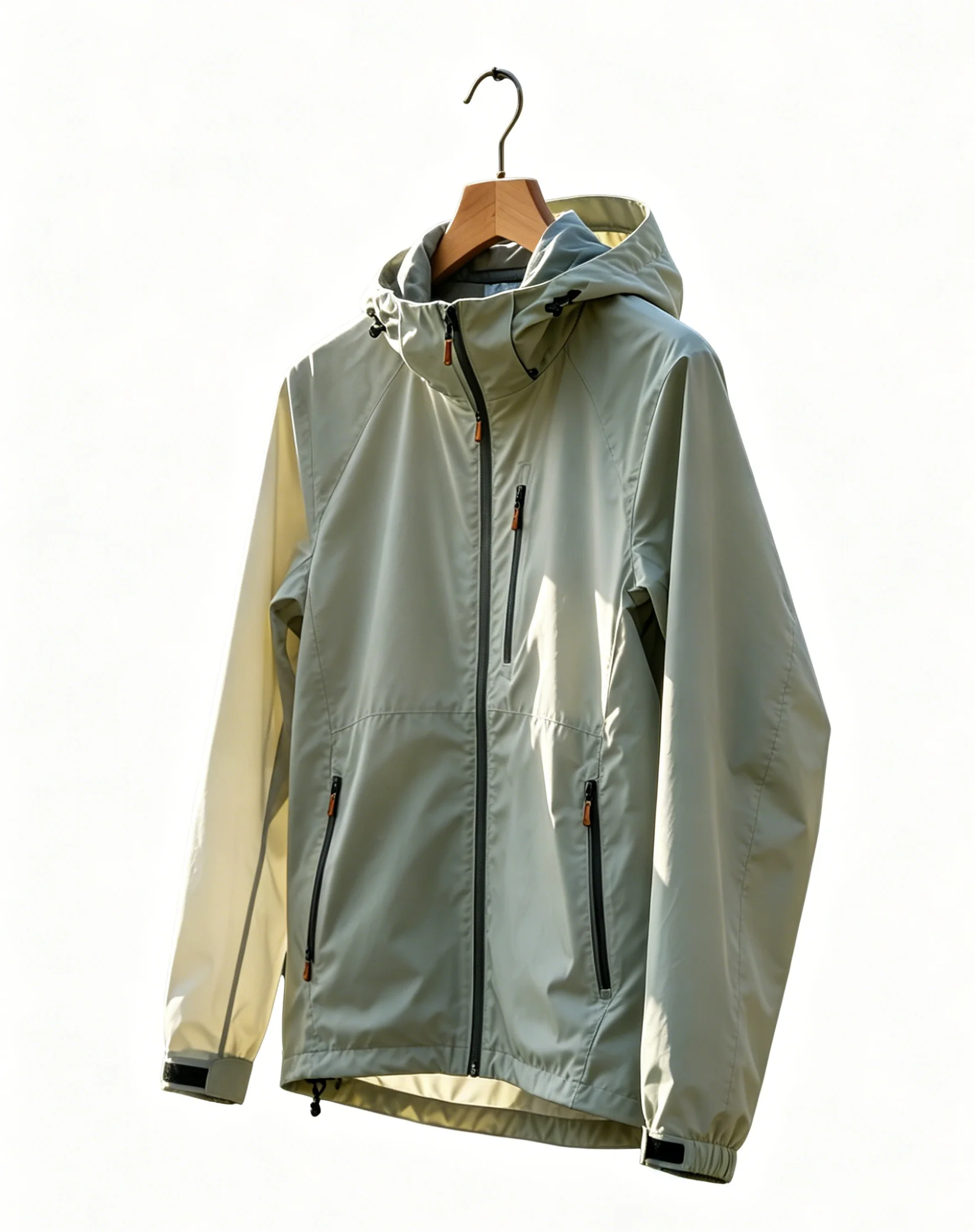
Outdoor Weather-resistant
Sun-protective clothing, cold-proof fabrics, outdoor gear.
- Key Focus: Temperature range, aging resistance, elasticity.
- High-elastic Solution: TPE / TPU (wide temp range, stable recovery).
- Rigid Solution: PES / PA (resists high-temp exposure, UV aging, chemical wash).
High-definition Seamless Bonding
Light-colored, white, mesh, lace, formalwear.
- Key Focus: Transparency, bonding fineness, no adhesive marks.
- Best Choice: TPU / TPE ultra-clear seamless film
- Why: Perfectly matches fabric’s original texture, no whitening.
- Avoid: PO, EVA, all mesh products (visible grid lines).
Common Defects & Optimization
Based on frequent mass production issues, identifying root causes and practical solutions.
| Observed Defect | Performance Root Cause | Solution |
|---|---|---|
| Fabric feels stuffy, sweat sticks to body after lamination | Insufficient breathability, wrong use of non-breathable solid film | Switch to TPE textured breathable film or high-breathability hot melt web |
| Debonding, delamination, whitening, edge curling after washing | Insufficient washing resistance, weak hydrolysis resistance | Upgrade to TPE/PA/PES high washing resistance materials |
| Poor bonding, glue bleed-out, charring, strike-through | Mismatch between melting range and production temperature | Strictly follow standard melting range for lamination parameters |
| Adhesive marks, heavy haze, poor clarity after bonding | Insufficient transparency, high haze of the material | Switch to TPU/TPE ultra-clear seamless film |
| Loosening, deformation, no recovery, edge curling after stretching | Poor elasticity, high residual deformation, weak fatigue resistance | Switch to TPU/TPE high-elastic series |
| Debonding under high-temp exposure; stiff and brittle fracture under low temp | Temperature range does not match use scenario | For high temperature: PES/PA; for low temperature: TPE/TPU |
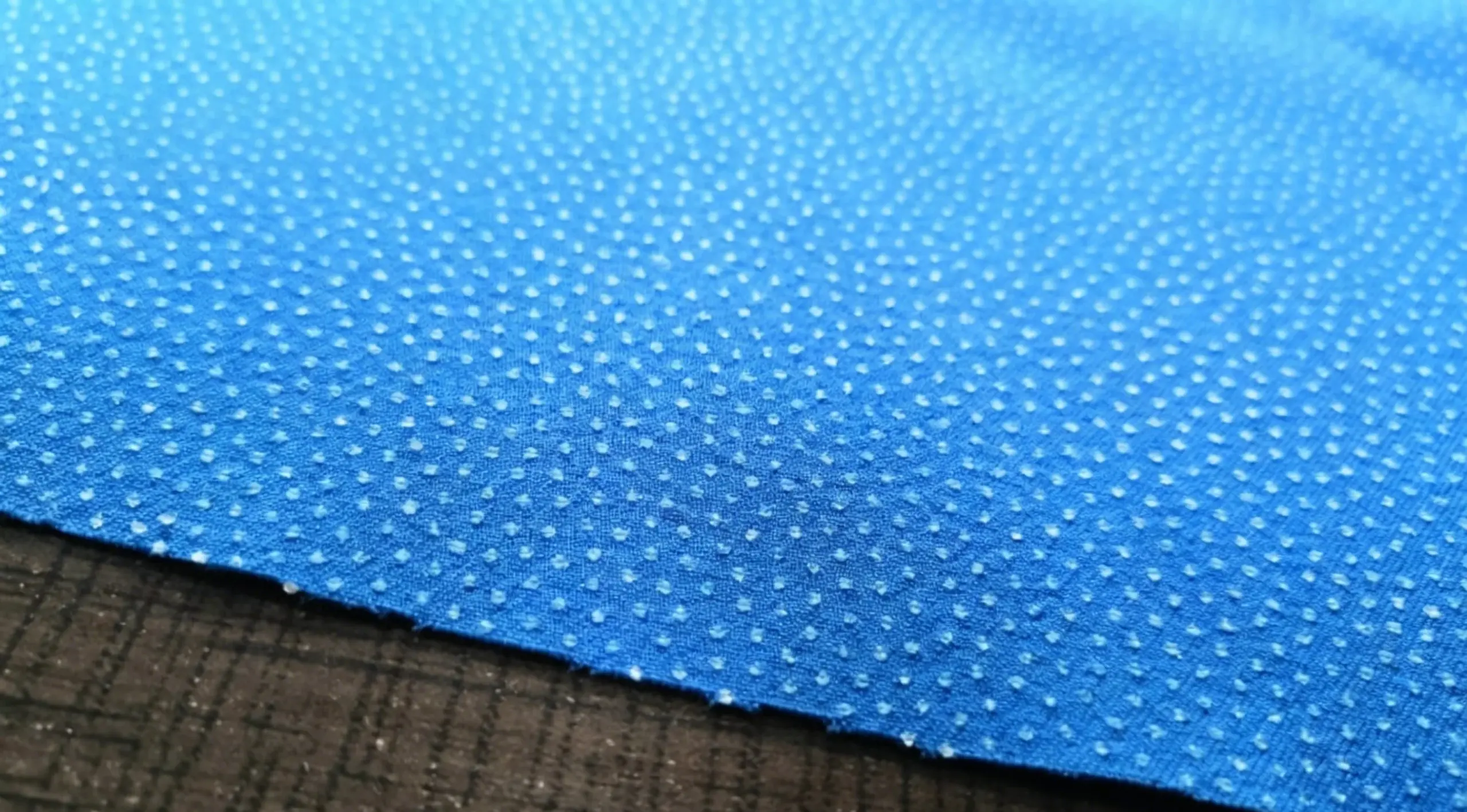
Customization Services for Six Core Performances
Vomelt supports one-on-one customized tuning, breaking conventional material limitations to meet specific mass production standards and special working conditions.
Breathability Customization
Precisely customize micro-, medium-, or high-breathability gradient structures.
Washing Resistance Enhancement
Optimize hydrolysis-resistant structure for 90°C industrial washing and dry cleaning.
Melting Range Adjustment
Fine-tune melting temperature to fit existing production equipment.
Transparency Optimization
Customize ultra-clear, matte high-clarity, frosted matte, or semi-transparent effects.
Elasticity & Temperature Upgrade
Reduce residual deformation, enhance high-temp creep resistance or low-temp toughness.
Frequently Asked Questions
Technical insights and troubleshooting for hot melt adhesive applications.
General Selection
Can high breathability, waterproofness, and elasticity be achieved simultaneously?
Does a higher melting point mean better temperature resistance?
Which material is best for a completely seamless transparent effect?
Melting Range & Process
Temperature data meets specs, but product fails after heat pressing – why?
Does excessive processing temperature damage temperature resistance?
Elasticity & Recovery
Fabric is elastic, but becomes stiff after lamination?
Why is recovery slow after stretching?
Request Technical Data & Samples
The performance data provided are typical laboratory values. Actual application should be based on sample testing. Contact our engineering team for detailed technical data sheets, DSC reports, or sample support.
Email Us
vomeltsales@163.com
Call Us
+86 17712662793
Factory Address
No. 36 Zhonglu Development Zone, Pingwang Town,
Wujiang District, Suzhou City, Jiangsu Province